
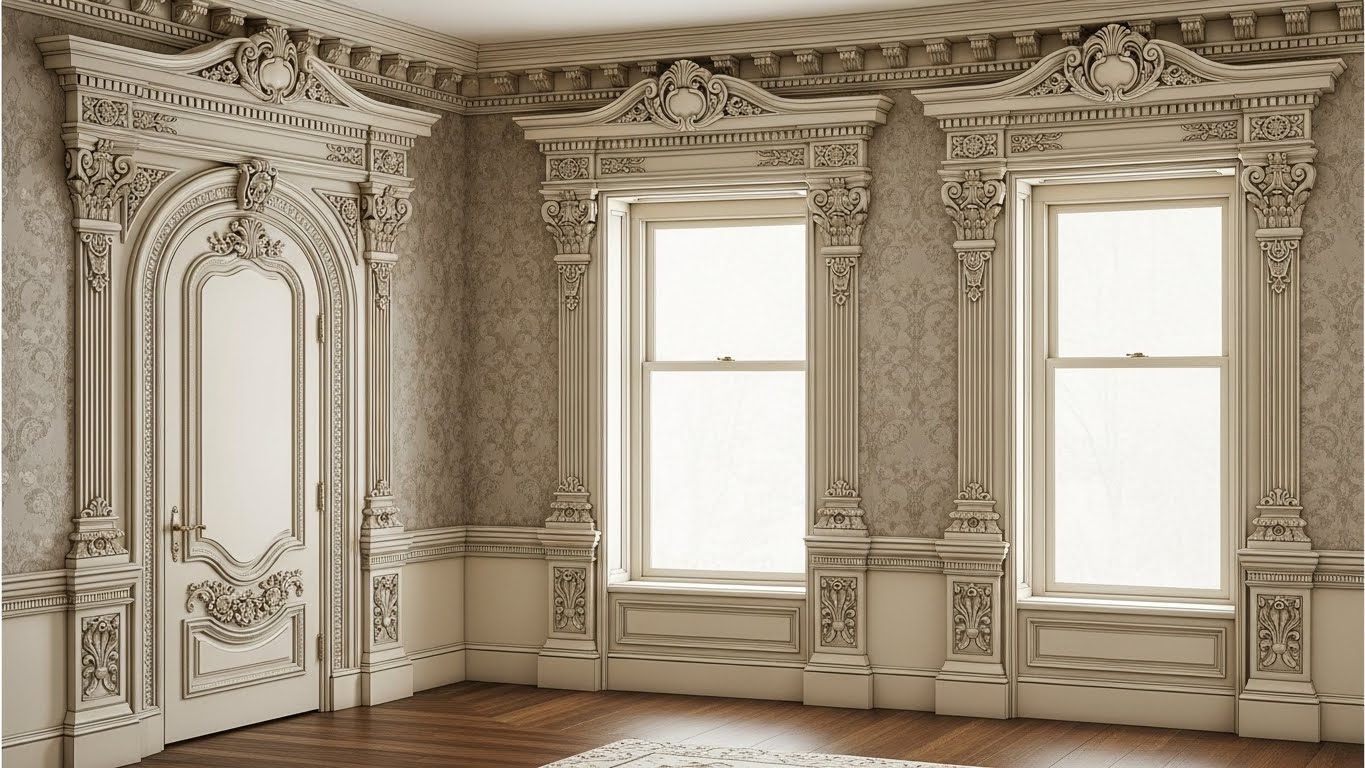
You know that moment when you walk into a room, and something feels… off? Maybe it’s the color, the furniture arrangement, or something subtler—like the trim around the doors and windows. That little detail can actually make a huge difference in how a space feels.
If you’ve ever asked yourself, How do I even pick interior trim for my Houston home?—you’re not alone. It can feel overwhelming. There are so many profiles, widths, and finishes, not to mention the style of your house itself. But here’s the thing: it doesn’t have to be stressful. Let’s break it down together so by the end, you’ll have a clear plan.
What You’ll Need Before You Start
Before we dive into the steps, make sure you’ve got a few things ready. Honestly, it makes the process so much smoother.
- Basic understanding of your home’s style: Are you in a modern Houston townhouse, a classic cottage, or something in between? This will guide most decisions.
- Photos or inspiration boards: Grab some images from Pinterest, Houzz, or even magazines. Seeing examples makes a huge difference.
- Measurements of doors, windows, and baseboards: This will save you headaches later.
- Budget in mind: Trim can be simple or extravagant. Knowing your range upfront helps narrow choices.
- Access to professional guidance: Even if you DIY some parts, talking to an expert like Ace Kustoms Trim Installations can save time and prevent costly mistakes.
Step 1: Understand the Types of Trim
Here’s the thing—trim isn’t just decorative. It’s functional and sets the tone of your space. Let’s break down the main types you’ll see in Houston homes:
- Baseboards: These are at the bottom of your walls. Standard heights run 3–5 inches, but taller baseboards (6–8 inches) feel more luxurious.
- Casing: This goes around windows and doors. Simple, clean lines work for modern homes. More intricate profiles suit traditional or craftsman styles.
- Crown Molding: Found at the junction of walls and ceilings. It can make a room feel taller and more polished.
- Chair Rails & Wainscoting: Optional, but they add character and protect walls in high-traffic areas.
Pro tip: If your ceilings are lower, don’t go overboard with chunky crown molding—it can make the space feel cramped.
Step 2: Match Trim to Your Home’s Style
You might be tempted to pick whatever looks pretty, but here’s what I’ve noticed in Houston homes: style mismatch sticks out more than color choices.
- Modern or Minimalist Homes: Straight lines, smooth surfaces, 3–4 inch baseboards. Think subtle but sleek.
- Traditional or Craftsman Homes: Layered profiles, 5–7 inch baseboards, more decorative casing. Adds warmth and a sense of history.
- Transitional Homes: Blend clean lines with a few curves. Medium-height baseboards and casing usually work best.
It helps to stand in your hallway or main living area and imagine what feels natural. Trust your gut—it usually aligns with the architecture.
Step 3: Consider the Room Function & Flow
Not all rooms are equal. In my experience, people often forget to account for function. Here’s what I’ve seen:
- High-traffic areas (kitchen, hallway): Wider, more durable baseboards. These take bumps better.
- Bedrooms and living rooms: You can get away with more decorative trim here because there’s less wear.
- Bathrooms: Moisture-resistant materials or painted MDF work best to prevent warping.
Tip: Keep a consistent casing and baseboard style throughout your home to create a natural flow. In Houston, where open floor plans are popular, inconsistent trim jumps out fast.
Step 4: Pick the Right Material
Wood, MDF, or PVC? Each has its pros and cons.
- Solid Wood: Classic, durable, looks great painted or stained. Expensive but long-lasting.
- MDF (Medium-Density Fiberboard): Smooth, paintable, cost-effective. Great for modern or painted trims.
- PVC: Moisture-resistant, perfect for bathrooms or high-humidity areas in Houston.
Here’s a little secret I tell homeowners: mixing materials strategically can save money without sacrificing style. For instance, use MDF for baseboards and solid wood for doors and crown molding.
Step 5: Choose Color & Finish
Now we’re getting into personality. Even the same trim profile can look totally different depending on color and finish.
- Classic White: Timeless, makes rooms feel bright and clean.
- Soft Neutrals: Beige or gray trims blend subtly with walls, good for transitional spaces.
- Bold Contrasts: Dark trims against light walls can add drama—works best in larger rooms.
And don’t forget the finish. Semi-gloss is common because it’s easy to wipe down, but flat or eggshell can feel more understated in living areas.
Step 6: Visual Planning & Layout
Here’s what I suggest: before ordering materials, mock it up. Tape off baseboards or casing profiles on the wall. Stand back and see if it feels right.
- Visualizing height and width prevents surprises.
- Compare different profiles side by side in the actual room lighting.
- Take photos from multiple angles—sometimes what looks good up close doesn’t read well across the room.
Step 7: Troubleshooting Common Mistakes
Even pros make small errors. Watch out for these:
- Too-small trim in big rooms: Can feel lost and cheap.
- Overly ornate trim in modern homes can clash with minimalistic decor.
- Inconsistent heights or profiles between rooms: Breaks visual flow.
Fixes are usually simple: swap profiles, adjust paint colors, or add subtle accents like wainscoting.
Step 8: Expert Tips for Houston Homes
- Humidity matters: Houston is humid. Pre-painted MDF or moisture-resistant wood helps prevent warping.
- Open floor plans: Keep baseboard and casing consistent throughout main areas.
- Lighting impacts perception: Test trim colors under natural light and artificial lighting.
- DIY vs. Professional: Installing trim seems easy, but precise miter cuts make a huge difference. Hiring experts like Ace Kustoms Trim Installations ensures a polished look without headaches.
Summary & Next Steps
Choosing interior trim for your Houston home doesn’t have to be a mystery. Here’s the roadmap we covered:
- Know your home style
- Match trim type to room function
- Pick materials wisely (consider the moisture in Houston)
- Decide on color and finish
- Mock it up visually before committing
- Avoid common mistakes
- Consider professional help for a flawless finish
Ready to bring your vision to life? Check out our custom trim finishing services or schedule a consultation. And trust me—once your trim feels right, the whole house feels more… home.
