
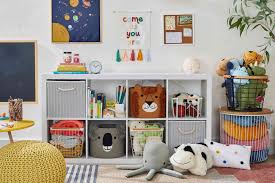
Children change rapidly, and their storage needs evolve just as quickly. What works for a toddler becomes obsolete by elementary school, and teenage requirements differ entirely from both. Smart parents across Montgomery County are discovering that thoughtfully designed cabinetry can adapt to these changing needs, growing alongside their families rather than requiring constant replacement.
Understanding Child Development Stages
Successful kid-friendly cabinetry design starts with understanding how children’s abilities and needs evolve:
Toddler Years (1-3): • Low-reaching height (18-24 inches) • Large motor skills development • Safety concerns paramount • Visual organization preferred
Elementary Age (4-10): • Increasing independence and responsibility • Fine motor skills improving • Growing collections and hobbies • Need for personal space and identity
Teenage Years (11-18): • Privacy becomes important • Adult-sized storage requirements • Technology integration essential • Style preferences develop
Harris County families find that custom storage solutions designed with these stages in mind provide lasting value through multiple childhood phases.
Adjustable Height Systems
The most successful children’s cabinetry incorporates adjustable elements that accommodate growth:
Shelf Systems: • Adjustable shelf pins for changing storage needs • Multiple hole patterns for maximum flexibility • Reinforced construction to handle repositioning • Easy adjustment without special tools
Rod Heights: • Telescoping closet rods that extend upward • Dual-height rod systems for various garment lengths • Removable lower rods as children grow taller • Spring-loaded mechanisms for easy adjustment
Liberty County parents particularly appreciate custom closet solutions that can be reconfigured as children grow, eliminating the need for complete closet overhauls.
Safety First, Always
Child safety considerations must be built into every aspect of kid-friendly cabinetry design:
Hardware Safety: • Rounded corners and edges eliminate injury risks • Soft-close mechanisms prevent finger pinching • Childproof locks for dangerous item storage • Recessed pulls reduce snagging hazards
Structural Safety: • Anti-tip mechanisms for tall furniture pieces • Reinforced mounting to prevent pulling loose • Tempered glass where transparency is needed • Non-toxic finishes and materials throughout
Fort Bend County families often request safety features that can be gradually removed as children mature, maintaining functionality while reducing restrictions.
Organization That Makes Sense to Kids
Children think differently about organization than adults. Successful storage systems work with natural childhood tendencies:
Visual Organization: • Clear bins and containers for easy identification • Color-coding systems for different categories • Picture labels for pre-readers • Open storage for frequently used items
Intuitive Groupings: • Activity-based storage zones • Like-items stored together logically • Easy-to-remember system rules • Minimal steps required for cleanup
Custom built-ins mudrooms excel at this approach, creating dedicated spaces for backpacks, shoes, and outdoor gear that children can manage independently.
Technology Integration for Modern Kids
Today’s children grow up surrounded by technology, and their storage needs reflect this reality:
Device Storage: • Charging stations built into desks and nightstands • Cord management systems to reduce clutter • Ventilated compartments for electronics • Secure storage for valuable devices
Study Spaces: • Adjustable desk heights for growing children • Integrated lighting for homework activities • Wire management for computers and printers • Storage for both physical and digital supplies
Galveston County students benefit from custom office solutions designed specifically for their age group, creating productive study environments that support academic success.
Multi-Child Considerations
Families with multiple children face unique storage challenges:
Shared Spaces: • Color-coded sections for each child • Flexible dividers that accommodate different needs • Fair distribution of premium storage locations • Easy identification systems to prevent conflicts
Individual Identity: • Personalized hardware or decorative elements • Dedicated spaces for each child’s treasures • Removable personalization that updates easily • Privacy options for older children
Size Variations: • Storage that works for different child heights • Adjustable elements that serve multiple ages • Growth accommodation without frequent changes • Fair access regardless of physical size differences
Activity-Based Storage Zones
Modern children juggle multiple activities and interests. Successful storage systems create dedicated zones for different pursuits:
Arts and Crafts: • Roll-out drawers with compartment organizers • Vertical storage for large paper and canvases • Easy-clean surfaces for messy activities • Display areas for finished projects
Sports and Activities: • Ventilated compartments for equipment drying • Seasonal storage for off-season gear • Easy-access areas for daily-use items • Organization systems for small accessories
Reading and Study: • Adjustable shelving for growing book collections • Integrated lighting for comfortable reading • Desktop space that grows with the child • Storage for school supplies and reference materials
Chambers County families often incorporate these zones throughout the home rather than concentrating everything in children’s bedrooms.
Bedroom-Specific Solutions
Children’s bedrooms require special consideration for storage design:
Clothing Storage: • Adjustable hanging heights for different garment types • Drawer systems sized for children’s clothing • Seasonal storage for out-of-season items • Easy-access areas for daily selections
Toy and Game Storage: • Bins and baskets for easy cleanup • Display areas for special collections • Storage that conceals clutter when needed • Systems that encourage organization
Sleep Environment: • Blackout storage for light-sensitive sleepers • Quiet-operating hardware for nighttime access • Security storage for comfort items • Easy-reach areas for bedtime necessities
The Playroom Advantage
Dedicated playrooms allow for specialized storage solutions not practical in other home areas:
• Built-in seating with hidden storage compartments • Wall-mounted systems that keep floors clear for play • Modular components that reconfigure for different activities • Easy-clean materials that withstand heavy use
Custom cabinetry built-ins work particularly well in playrooms, creating storage that feels integrated into the space rather than added as an afterthought.
Budget-Conscious Growth Strategies
Not every family can afford complete storage overhauls as children grow. Smart design strategies maximize longevity:
Modular Approach: • Components that can be rearranged and repurposed • Standard dimensions that work throughout the home • Add-on capability for future expansion • Mix-and-match elements for customization
Quality Investment Areas: • Structural elements that must last long-term • Hardware that will see heavy use • Safety features that cannot be compromised • Adjustable mechanisms that enable growth
Teaching Organization Skills
Well-designed storage systems can help children develop lifelong organization skills:
• Clear expectations built into the design • Logical systems that make sense to young minds • Success enablers that make cleanup achievable • Positive reinforcement through attractive, functional storage
Brazoria County parents often report that children take more pride in their spaces when storage systems are designed specifically for their needs and abilities.
Maintenance and Durability
Children’s storage must withstand significantly more wear than adult storage:
Material Selection: • Impact-resistant surfaces for active use • Stain-resistant finishes for inevitable spills • Repairable components for damage management • Replaceable elements for high-wear areas
Design Considerations: • Rounded edges that withstand bumps • Robust hardware rated for frequent use • Easy-clean surfaces for quick maintenance • Simple mechanisms that won’t break easily
Children’s storage needs are unique and constantly evolving. Custom shelving and cabinetry solutions that acknowledge this reality create lasting value for families. By designing systems that grow and adapt, parents can provide their children with organized, functional spaces that support development while avoiding the expense and disruption of frequent replacements. The result is storage that truly serves the family through all stages of childhood and beyond.


Comments are closed