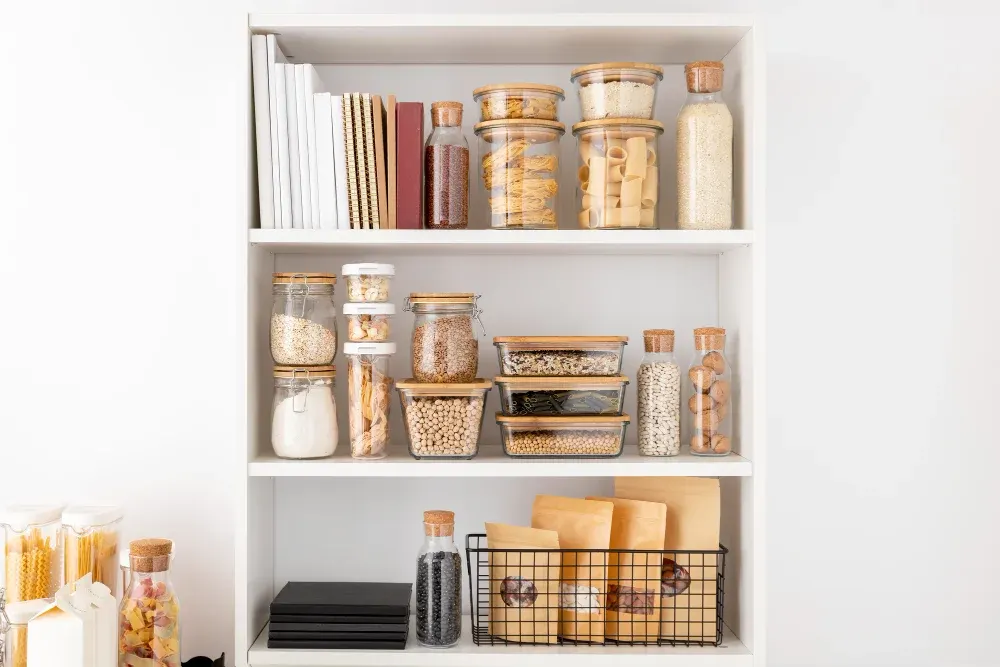
How Lighting Enhances Custom Cabinetry and Daily Use
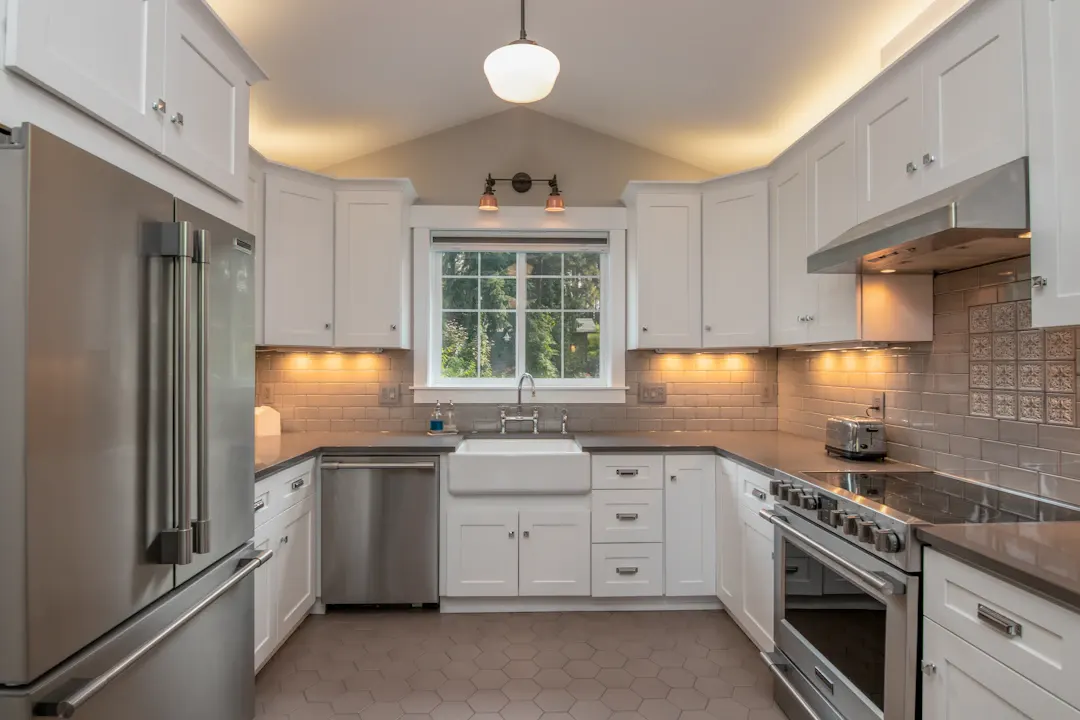
Good cabinet lighting changes how a kitchen, bath or built-in works every single day. It puts light on the cutting board instead of behind you, helps you find what is at the back of a deep pantry shelf, and gives a living room bookcase a soft glow in the evening. It also makes well-built cabinetry look its best, showing off wood grain, glass doors and the objects you choose to display.
This post is for Houston homeowners planning new cabinets or built-ins who want lighting that is useful, not just decorative. We will cover the main types of cabinet lighting, where each makes sense, the technical choices that matter, and the planning steps that keep wiring hidden and the result clean. We will also look at how lighting works in rooms beyond the kitchen.
To see how we approach lighting as part of our cabinet work, visit our under and over cabinet lighting solutions page.
Why Cabinet Lighting Matters for Daily Use
Most kitchens rely on recessed ceiling lights. Those cans usually sit behind you as you face the counter, which means your own head and shoulders cast a shadow right where you are working. Upper cabinets add more shadow. The result is a dim work surface even in a room that looks bright overall.
Cabinet lighting solves that by putting light where tasks happen. The practical benefits:
- Safer prep work. Clear light on the cutting board makes knife work easier.
- Easier cleaning. You can see spills and crumbs on counters and inside cabinets.
- Faster finding. Lights in pantries and deep drawers show what is in the back.
- Night use. Low-level toe-kick or under-cabinet light lets you get water at night without switching on every overhead.
- Better display. Glass-front cabinets and open shelves look finished when lit.
Lighting also adds depth to a room. Layering ceiling, task and accent light makes a space feel warmer and more comfortable than relying on overhead fixtures alone.
Types of Cabinet Lighting and Where They Fit
There are several distinct types of cabinet lighting. Each serves a different purpose.
Under-cabinet task lighting
Mounted on the underside of upper cabinets, these lights shine down onto the counter. LED strips or slim linear fixtures are most common. They should sit toward the front of the cabinet bottom so light falls on the work surface and does not just wash the backsplash. A light rail or recessed bottom on the cabinet hides the fixture from view.
In-cabinet and glass-front lighting
Lights inside upper cabinets, often vertical strips along the face frame or small fixtures at the top, illuminate dishware behind glass doors. Glass shelves let light pass down through multiple levels. This is primarily accent lighting, though it also helps you see contents.
Shelf and display lighting
Open shelves, bookcases and display built-ins can have lights recessed into the shelf front or underside. This is common in living room built-ins, bars and home offices.
Toe-kick lighting
LED strips under the base cabinet toe kick cast a soft glow across the floor. It works well as a night light and adds a floating effect to islands and vanities.
Above-cabinet lighting
Where uppers do not reach the ceiling, light strips on top of the cabinets can wash the ceiling with indirect light. It adds ambiance, though in homes with ceiling-height cabinets this space does not exist.
Interior task lighting
Motion or door-activated lights inside pantries, deep base cabinets, closets and drawers turn on when opened. These are especially helpful in tall pantry cabinets and corner units.
Choosing the Right Technical Specs
Cabinet lighting has a few technical choices that make a large difference in how the result looks.
| Spec | What it means | General recommendation |
|---|---|---|
| Color temperature (Kelvin) | Warmth or coolness of light | 2700K-3000K for a warm look; 3500K for crisper task light; match other fixtures |
| CRI (color rendering index) | How accurately colors appear | 90 or higher so food, wood and finishes look natural |
| Brightness (lumens per foot) | Light output | Higher for task lighting under uppers; lower for accent and toe-kick |
| Diffuser | Covers the LED chips | Use a diffuser to avoid visible dots on glossy counters |
| Dimming | Adjustable brightness | Worth it for flexibility from task to evening light |
A few practical notes on these specs:
- Match color temperature across the room. Mixing warm cans with cool under-cabinet strips makes a kitchen feel disjointed.
- High CRI matters with wood. Low-quality LEDs can make walnut look muddy or white oak look green.
- Diffusers matter with stone. Polished quartz and granite reflect individual LED dots unless the fixture uses a frosted lens.
For a deeper explanation of fixture styles, our post on under-cabinet lighting types explained compares strips, pucks and linear fixtures.
Planning Cabinet Lighting Before the Cabinets Are Built
The best cabinet lighting is planned during cabinet design, not added afterward. Planning early lets us build the cabinets to hide fixtures, wires and drivers cleanly.
Key planning steps:
- Decide where you want light. Under uppers, inside glass cabinets, on shelves, in toe kicks, in pantries.
- Choose switching. Wall switches, dimmers, door-activated switches, motion sensors or smart controls. Group lights logically, such as all under-cabinet lights on one dimmer.
- Plan power and drivers. Most LED cabinet lighting runs on low voltage and needs a driver or transformer. These should be placed in an accessible, ventilated location, often in an upper cabinet or above a microwave.
- Route wires. Wires can run through cabinet backs, along grooves in shelves, or through hollow face frames. Planning lets us drill and channel in the shop instead of on site.
- Coordinate with the electrician. Line-voltage work, like new circuits and wall switches, is done by a licensed electrician before cabinets are installed.
This coordination is part of why cabinet lighting is easier with a single team that designs, builds and installs. Our under-cabinet and in-cabinet lighting guide covers more of the planning detail.
Common cabinet lighting mistakes
A few missteps show up again and again when lighting is added without much planning:
- Fixtures mounted too far back. Light aimed at the backsplash leaves the front of the counter, where you actually work, in shadow.
- Visible fixtures and wires. Without a light rail or recessed cabinet bottom, the strips are visible from a seated position at the island or table.
- One switch for everything. Task and accent lights on the same switch means you cannot have a soft evening glow without full brightness.
- Unreachable drivers. Drivers buried behind installed cabinets are hard to replace when they eventually fail.
- Mismatched color. Fixtures bought at different times from different makers often have slightly different tones, even at the same rated Kelvin.
Each of these is easy to avoid when lighting is drawn into the cabinet plan from the start.
Lighting Beyond the Kitchen
Cabinet lighting is useful in many rooms.
- Bathrooms: Under-vanity toe-kick lights work as night lights, and lit mirrors or sconces paired with the vanity give even face lighting.
- Closets: Vertical LED strips along closet sections light hanging clothes, and in-drawer lights help find accessories.
- Home bars: Glass shelving with backlighting and under-counter lights set a mood and help when mixing drinks.
- Living room built-ins: Shelf lighting highlights books and objects and adds a soft evening glow.
- Home offices: Under-shelf lighting over a desk reduces glare compared with a single overhead light.
- Laundry rooms: Under-cabinet strips over the folding counter make spotting stains easier.
Our lighting and accent features page shows how we integrate lighting into different kinds of built-ins.
Houston Considerations for Cabinet Lighting
A few local factors are worth keeping in mind.
Humidity. Bathrooms and laundry rooms in Houston stay humid. Choose fixtures rated for damp locations where moisture is present, and keep drivers away from steam sources.
Heat. Attics and exterior walls in Houston get very hot in summer. Avoid placing drivers in unconditioned spaces where heat can shorten their life.
Outdoor kitchens. Outdoor cabinet lighting needs fixtures rated for wet locations and corrosion-resistant hardware, especially near the coast in Galveston and Brazoria counties.
Power outages. Storms can cause outages and surges. A whole-home surge protector helps protect LED drivers and smart lighting controls.
Budgeting for Cabinet Lighting
Cabinet lighting is usually a modest part of a cabinet budget compared with the cabinets themselves. As a general planning range in Greater Houston, under-cabinet lighting for a typical kitchen might add roughly $800 to $3,000 for fixtures and installation, while a full package with in-cabinet, toe-kick and display lighting can run higher. Electrical work for new circuits and switches is often separate. Costs vary with the number of fixtures, controls and site conditions, so get a written estimate.
Newer homes in areas like Sugar Land often have the wiring basics in place, which can make adding cabinet lighting simpler during an upgrade. Older homes may need more electrical work.
Plan Your Cabinet Lighting With a Free Estimate
Thoughtful cabinet lighting makes custom cabinetry easier to use and better to look at, morning and night. When you plan it alongside your custom kitchen cabinets or built-ins, the fixtures, wires and switches all disappear into the design. Our team will measure your space, talk through how you use it and include lighting options in your written estimate.
Schedule your free in-home estimate, or call (281) 660-3903 Monday through Friday, 8am to 5pm.
Frequently asked questions
What color temperature is best for kitchen cabinet lighting?
Can lighting be added to existing cabinets?
Do LED cabinet lights get hot?
Is cabinet lighting worth it in a laundry room or closet?
Planning a project like this?
Get a free in-home estimate from the team that builds and installs the work.