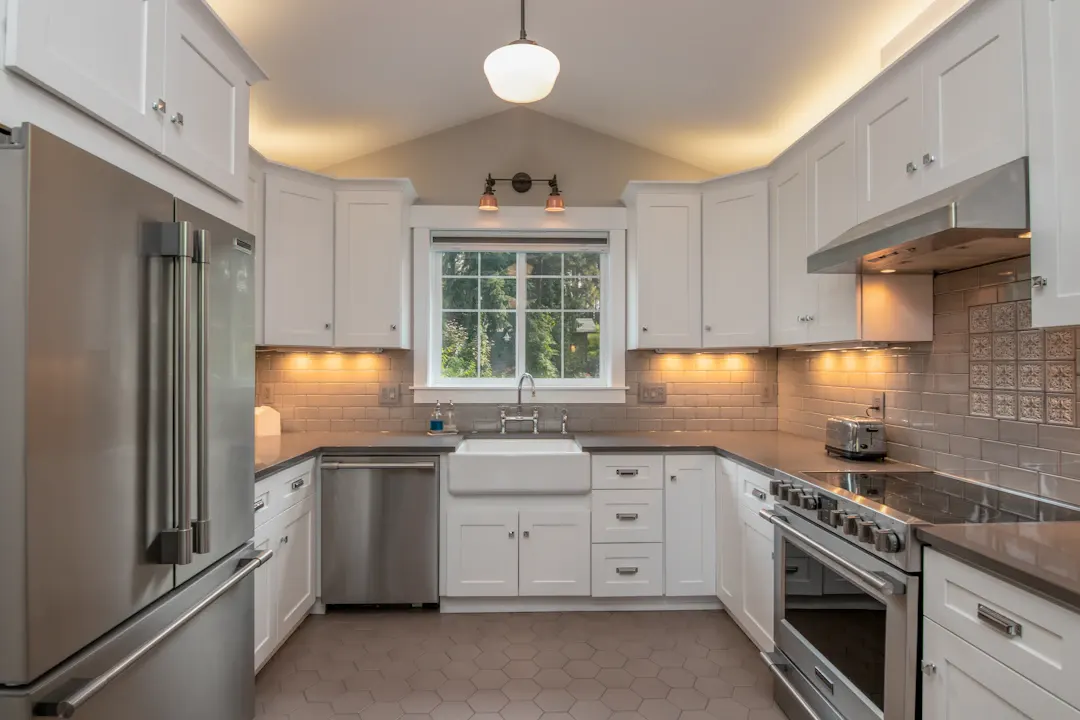
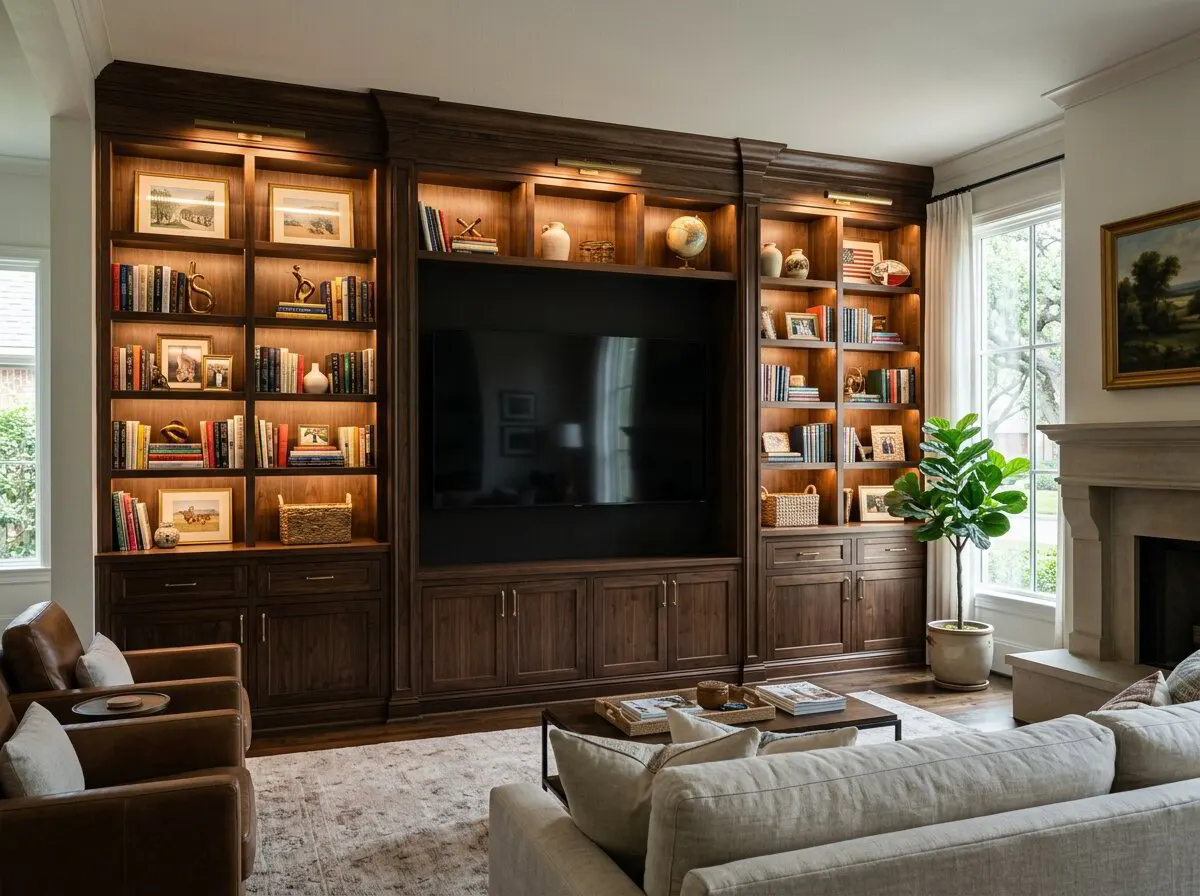
Plan Living-Room Built-Ins Around a Fireplace and TV
Plan living room built-ins around a fireplace and TV: TV height, heat clearances, media storage, symmetry and lighting for Houston homes. Get a free estimate.

Cabinetry & Built-Ins
Cabinetry for dedicated theater and game rooms, with ventilated equipment racks, speaker-friendly fabric panels and storage that stays dark when the lights go down.
Custom media room cabinetry is built for rooms where watching and listening is the main event: a dedicated theater, a second-floor game room or a bonus room over the garage. Unlike a living room entertainment center, a media room has to manage heat from equipment, sound from multiple speakers and light reflecting off surfaces. Ace Kustoms builds that cabinetry in our Houston shop and installs it with our own crew.
Equipment needs air. A receiver, amplifier, game consoles and streaming boxes can put out serious heat, so we build ventilated racks with open backs, slotted toe kicks and room for a quiet, thermostat-controlled fan. We also leave rear access or pull-out racks so you can change cables without unloading the whole cabinet. Speakers behind wood or fabric need openings sized to the driver, not just a guess.
Many homeowners pair a media room with a home bar or snack counter at the back of the room. Others want a front wall that frames a projector screen or large TV with built-in speakers and lit display shelves. We coordinate with your AV installer so the cabinetry, wiring, speaker locations and screen size all line up before anything is built.
Ventilated racks with intake at the bottom and exhaust at the top, plus a quiet fan on a thermostat if needed, keep receivers and consoles from overheating in closed cabinets during long movie nights and gaming sessions.
Openings for in-cabinet speakers are sized to the speaker, with acoustically transparent fabric panels in front. Solid wood stays out of the sound path, so dialogue and bass are not muffled by the cabinetry.
Dark, matte stains and paints around the screen reduce reflections that wash out the picture. Glossy finishes and glass doors are kept away from the front wall, where they would bounce light back at viewers.
Conduit, grommets and chases are built in so cables run behind the woodwork. IR repeaters, RF remotes or glass-front racks keep equipment controllable even behind closed cabinet doors. Spare conduit allows future upgrades.
Drawers for controllers, headsets and cables, shelves for games and discs, and cabinets for blankets and pillows keep the room clean and ready to use without trips to other rooms.
We work from your AV installer's speaker layout, screen size and projector throw distance, so the cabinets fit the system instead of forcing the system to fit the cabinets. Changes are easy on paper.
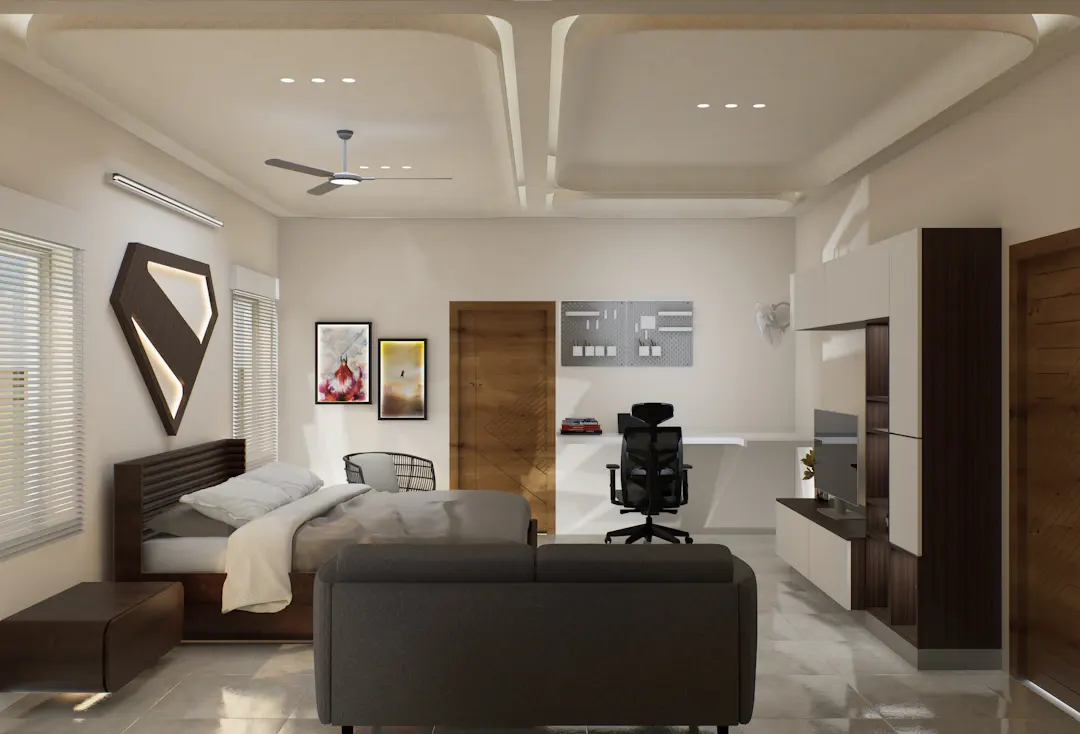
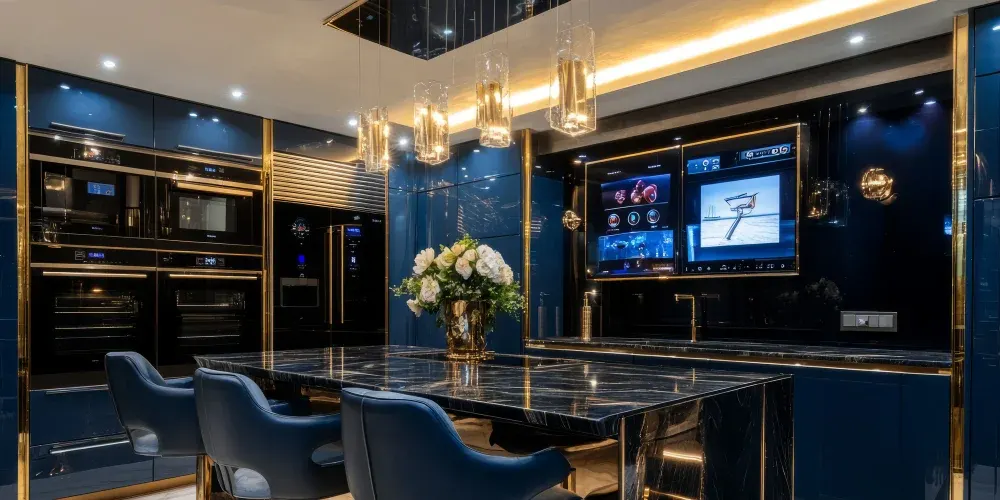
For general planning, a media room front wall with speaker bays and storage in Greater Houston often runs around $10,000 to $22,000, while full rooms with equipment racks, riser storage and a snack counter can range from $25,000 to $50,000 or more, not counting AV equipment. These are planning ranges, so ask for a written estimate after we review your plans.
Media rooms in Houston are often upstairs or over garages, where heat builds quickly in summer and AC struggles to keep up. Add equipment heat, and closed cabinets can get very warm. We design ventilation carefully and recommend confirming that the room has adequate HVAC capacity. Exterior walls in these rooms see temperature swings, so we leave air gaps and seal cabinet backs. On slab foundations, running power or conduit to floor locations is difficult, so we plan wiring through walls and risers. Dark finishes show dust, and humidity can affect fabric panels, so we choose durable materials.
Cabinetry & Built-InsCustom Entertainment CentersBuilt-in entertainment centers and media walls sized to your TV, with ventilated equipment storage, cable management and solid wood construction.
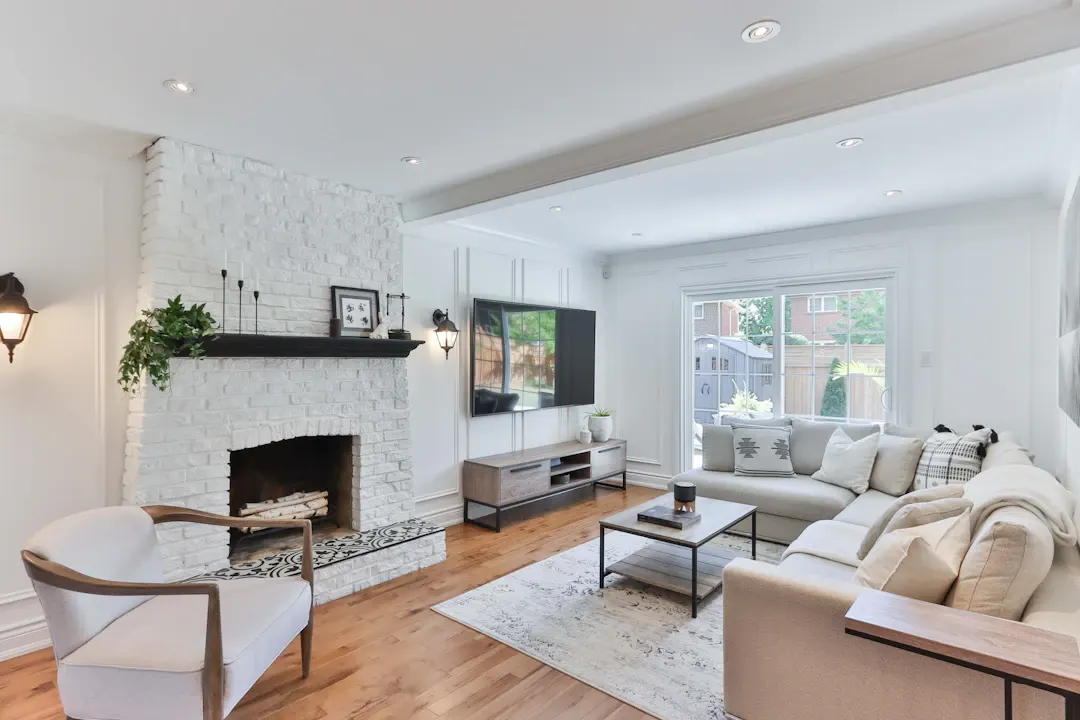 Cabinetry & Built-InsCustom TV Accent Wall CabinetsTV accent walls combining wood slats or paneling, floating or full-width consoles, lit shelves and concealed wiring, built in our Houston shop and installed by our own crew.
Cabinetry & Built-InsCustom Home Bar CabinetryCustom wet and dry bar cabinetry with wine racks, glass uppers, beverage fridge and ice maker openings, and bar sinks, built in our Houston shop and installed by our crew.
Cabinetry & Built-InsCustom TV Accent Wall CabinetsTV accent walls combining wood slats or paneling, floating or full-width consoles, lit shelves and concealed wiring, built in our Houston shop and installed by our own crew.
Cabinetry & Built-InsCustom Home Bar CabinetryCustom wet and dry bar cabinetry with wine racks, glass uppers, beverage fridge and ice maker openings, and bar sinks, built in our Houston shop and installed by our crew.
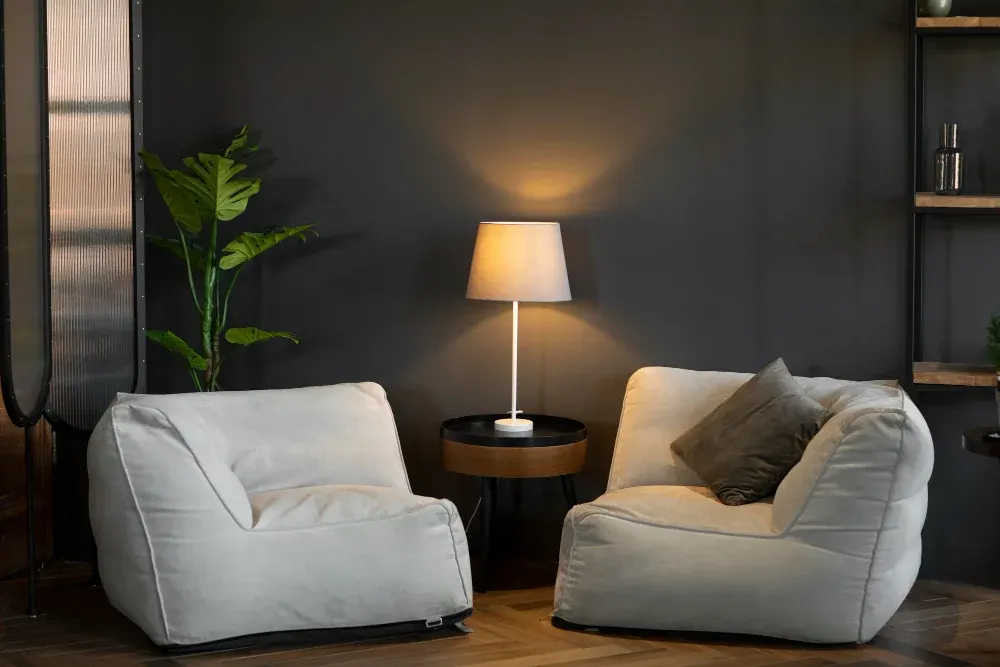 Surfaces & LightingLighting & Accent FeaturesAccent lighting tied to millwork: crown coves, lit bookshelves, sconce backers, beams and slat walls, built in our Houston shop and coordinated with your electrician.
We build and install custom media room cabinetry throughout Greater Houston. Find your community:
Plan living room built-ins around a fireplace and TV: TV height, heat clearances, media storage, symmetry and lighting for Houston homes. Get a free estimate.
Under-cabinet and in-cabinet lighting for Houston homes: placement, wiring, controls and planning costs for kitchens and built-ins. Get a free estimate.
How cabinet lighting improves custom cabinetry: under-cabinet task light, in-cabinet and toe-kick options, color temperature and planning. Get a free estimate.
Free, no-pressure estimate
Tell us about your kitchen, bath or built-in project. We usually reply within one business day.
Office hours: Mon–Fri 8:00 AM – 5:00 PM