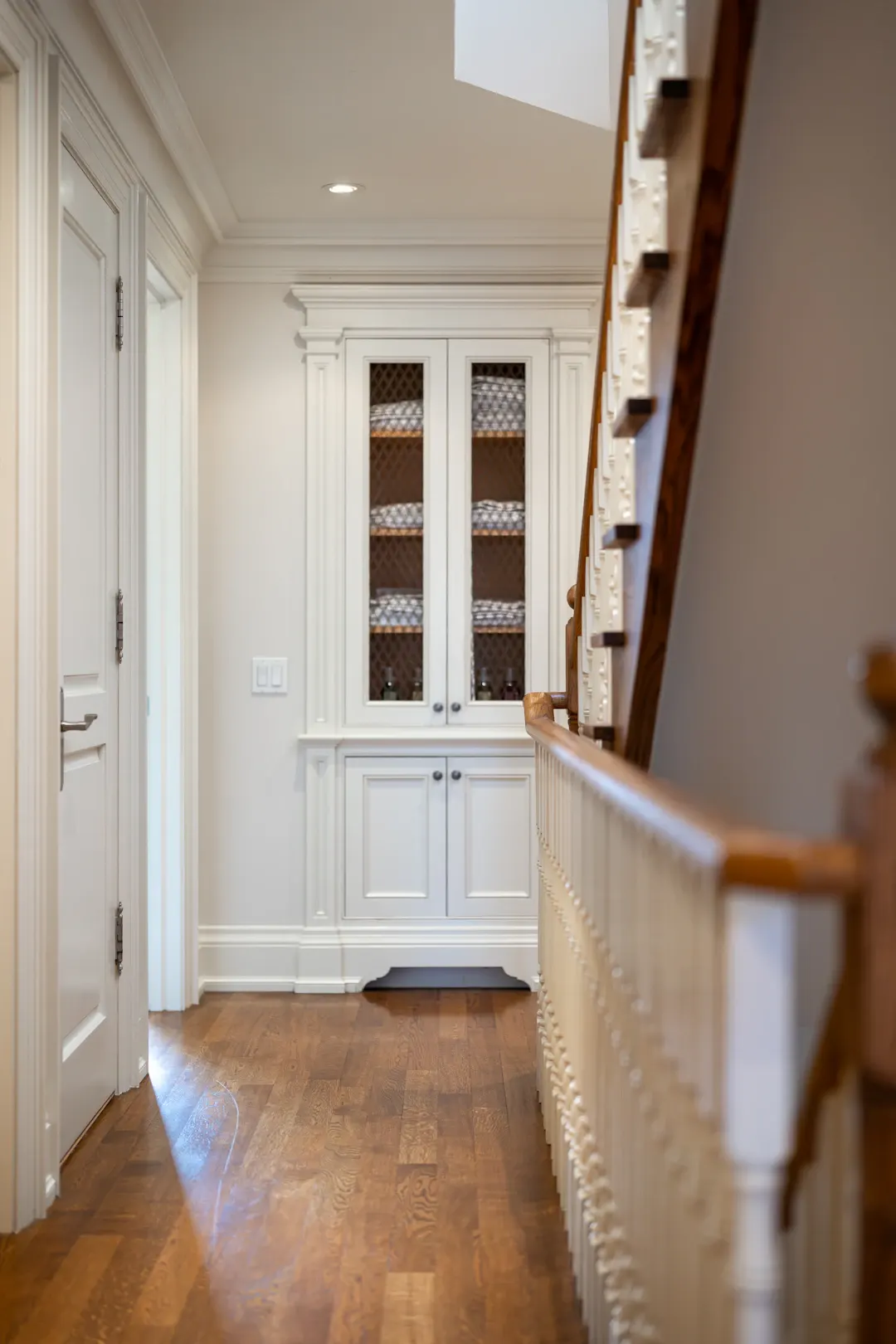
How Lighting Enhances Custom Cabinetry and Daily Use
How cabinet lighting improves custom cabinetry: under-cabinet task light, in-cabinet and toe-kick options, color temperature and planning. Get a free estimate.

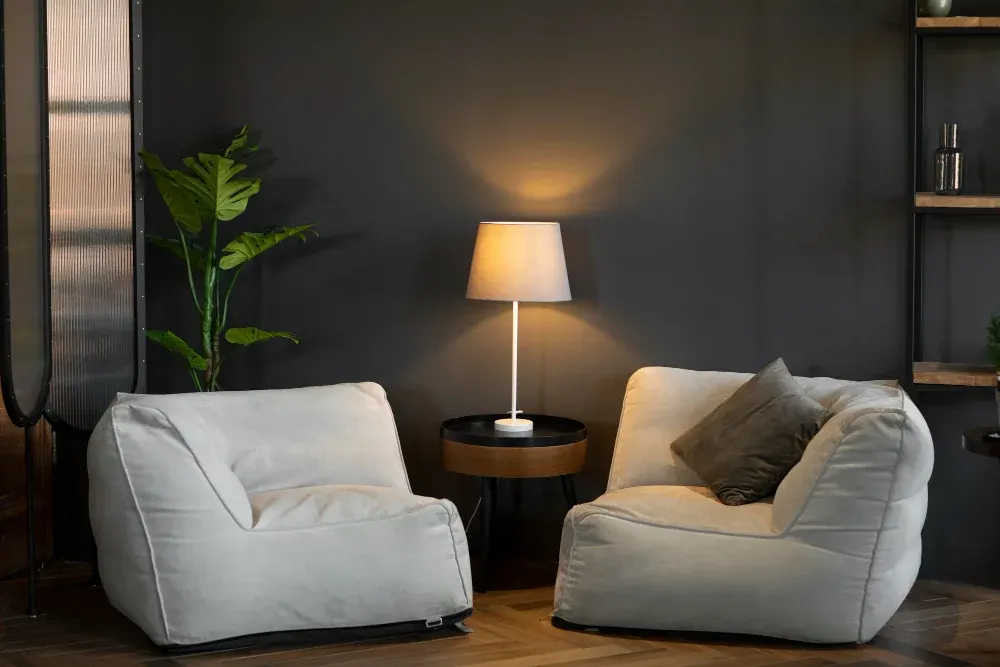
Surfaces & Lighting
Cove lighting, lit shelving and sconce-ready panels planned as part of the woodwork, not added after the drywall is painted.
Lighting and accent features work best when the light source is hidden inside the woodwork. A crown molding with a cove behind it, a bookcase with a channel routed for LED tape, or a wall panel with blocking for a pair of sconces all look intentional because the carpentry was planned around the fixture. Ace Kustoms builds that millwork in our Houston shop and installs it with the same crew.
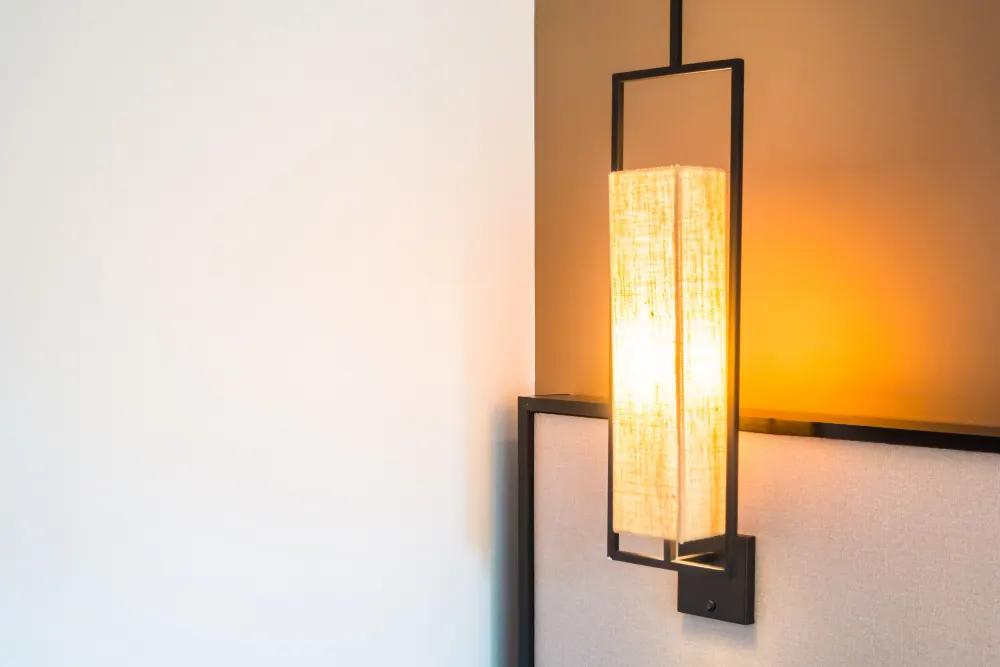
We focus on the wood side of accent lighting: coves, valances, lit shelves, beam wraps, slat walls and sconce backers. Your licensed electrician handles line-voltage wiring, boxes and drivers, and we leave the access, chases and clearances they need. That split keeps the work to code while letting the finished room look like one design instead of a collection of separate trades.
Most homeowners come to us with one room in mind, often a living room, primary bedroom or stairway. Accent lighting also pairs well with custom trim installations like crown, coffered ceilings and wainscoting, and with the task lighting we build into kitchens. A few well-placed lit features usually do more for the feel of a room than adding another row of recessed ceiling cans.
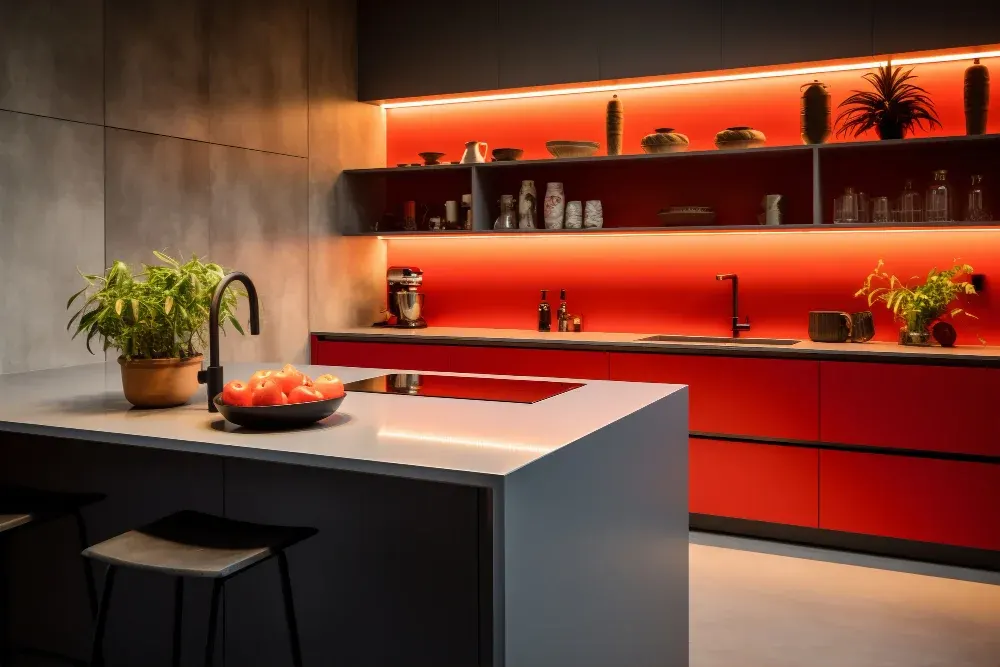
Coves, valances and routed channels hide LED tape so you see the glow, not the diodes. We size the reveal and setback so the strip is out of sight lines from seated and standing positions.
Accent lighting fills the gap between overhead cans and table lamps. Combining a crown cove, lit shelves and a pair of sconces lets you set the room for movie night or for reading without changing bulbs.
We build in blocking, wire chases and driver access panels before finish so the electrician is not cutting holes in painted millwork later. That saves patching and keeps the finished surfaces clean.
Light grazing across a slat wall, paneled fireplace or open bookcase shows texture and shadow. Flat builder-grade drywall gains real dimension and a clear focal point without a structural remodel or moving any walls.
LED tape and pucks run cool and draw little power compared with older halogen or xenon fixtures. That matters inside closed wood channels and in Houston rooms already working against summer heat gain.
We mill cove profiles, valances and beam wraps to match existing crown, casing and cabinet finishes, so the lighting details look like they came with the house and not from a kit.
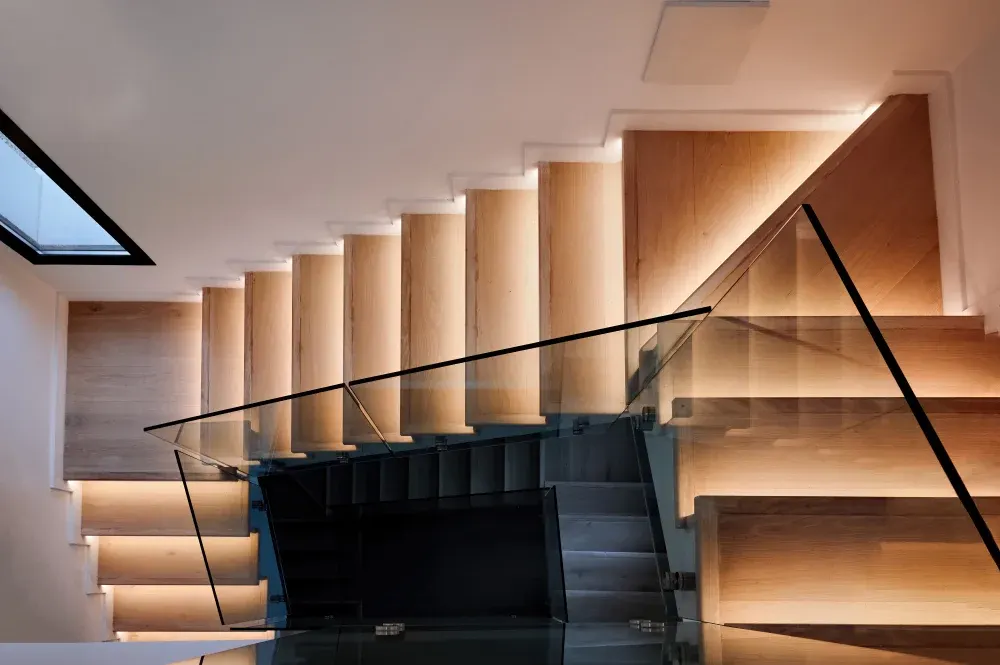
As a general planning range, a single accent feature like a lit bookcase or a room of crown cove often falls around $1,500 to $5,000 in Greater Houston, while a full room with beams, a slat wall and multiple lighting zones can run $8,000 to $20,000 or more. Electrical work is typically a separate line. These are planning numbers only, and a written estimate after an in-home measure is the reliable figure.
Houston attics routinely pass 130 degrees in summer, so we avoid putting LED drivers in unconditioned attic space where heat shortens their life. Drivers go in ventilated cabinet compartments or accessible wall boxes inside the conditioned envelope instead. In older 1950s to 1970s homes with 8-foot ceilings and original wiring, a cove often makes more sense than adding cans that require cutting into plaster and old joists. On slab homes, running new wire to an island or floor-level accent can be harder, so we plan wall and ceiling routes early. Humidity also matters: aluminum channels and sealed wood hold up better than raw edges near exterior walls.
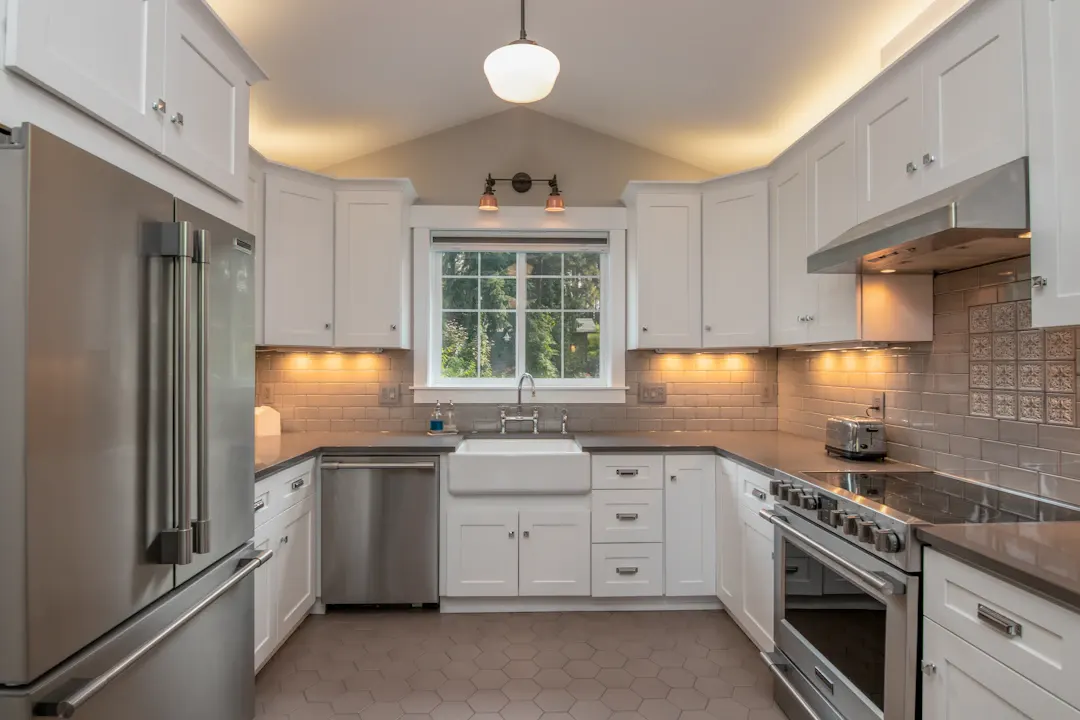 Surfaces & LightingUnder & Over Cabinet LightingLED tape, puck, toe-kick and in-cabinet lighting built into new or existing cabinets, with recessed channels, light rails and accessible drivers planned in our Houston shop.
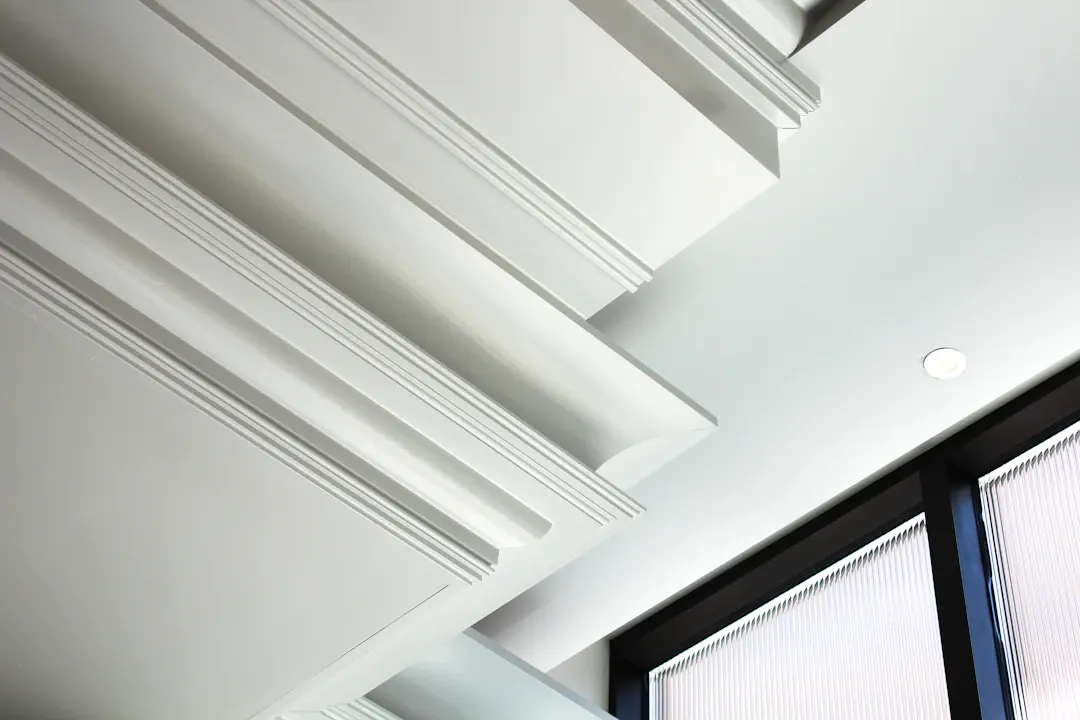 Trim, Doors & StairsCustom Trim & Millwork InstallationCrown molding, baseboards, door and window casing, wainscoting, board and batten, beams and coffered ceilings, installed by our own finish carpentry crew.
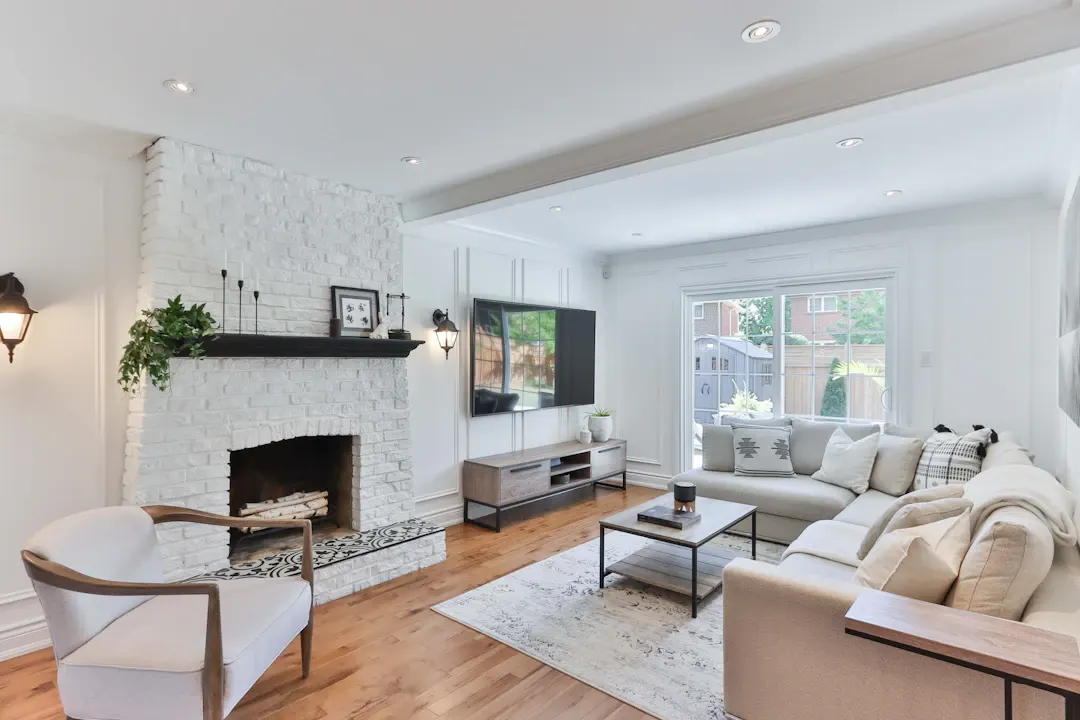 Cabinetry & Built-InsCustom TV Accent Wall CabinetsTV accent walls combining wood slats or paneling, floating or full-width consoles, lit shelves and concealed wiring, built in our Houston shop and installed by our own crew.
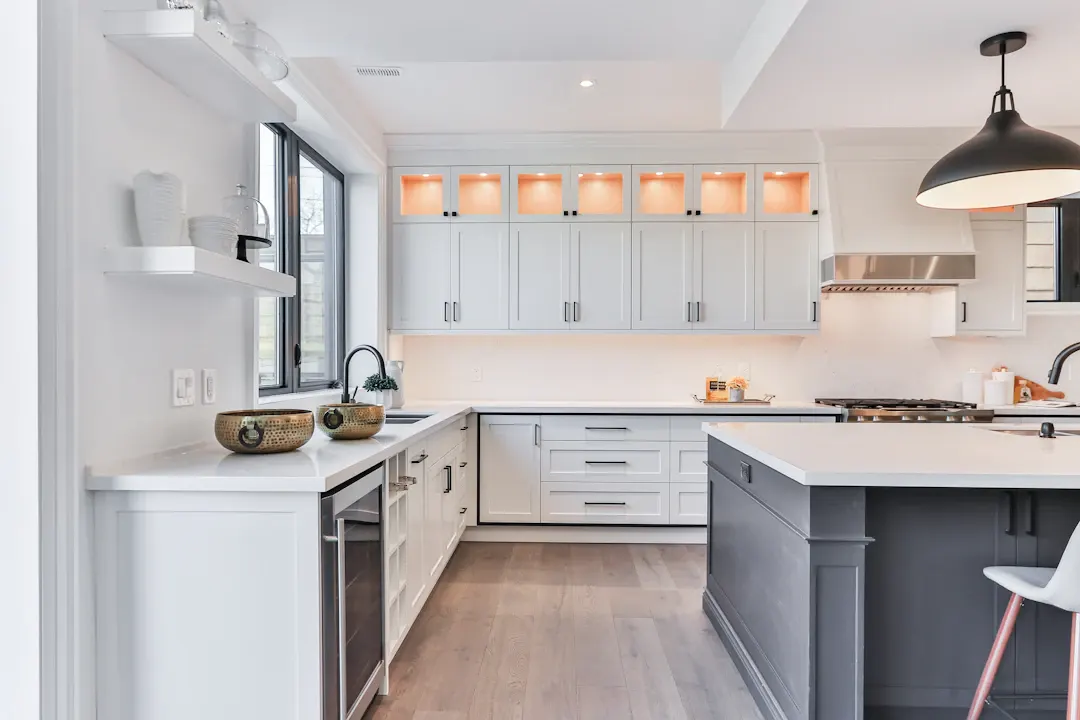 Cabinetry & Built-InsCustom Display Cabinet Built-InsBuilt-in display cabinets with glass doors, integrated LED lighting and adjustable shelves for china, collections, books and art, built in our Houston shop and installed by our crew.
How cabinet lighting improves custom cabinetry: under-cabinet task light, in-cabinet and toe-kick options, color temperature and planning. Get a free estimate.
Under-cabinet and in-cabinet lighting for Houston homes: placement, wiring, controls and planning costs for kitchens and built-ins. Get a free estimate.
How to keep the soul of your home during a renovation: preserve trim, built-ins and character while updating kitchens and baths. Book a free in-home estimate.
Free, no-pressure estimate
Tell us about your kitchen, bath or built-in project. We usually reply within one business day.
Office hours: Mon–Fri 8:00 AM – 5:00 PM