Hidden Cabinet Features That Solve Real Storage Problems
Hidden cabinet features that fix real storage problems: toe-kick drawers, appliance garages, charging drawers and more for Houston homes. Get a free estimate.

Storage & Organization
Cabinets, work surfaces and storage sized to your supplies, whether that is fabric bolts, 12-inch paper, yarn, paint or a sewing machine.
Custom craft room cabinets start with the supplies. Scrapbook paper comes in 12 by 12 inch sheets, fabric is folded on comic boards or rolled on bolts, yarn wants open cubbies, and paint and glue need to stay upright. Off-the-shelf storage rarely fits those shapes. Ace Kustoms designs craft rooms around what you actually make, then builds and installs the cabinets with our own Houston crew.
Work surfaces matter as much as storage. A standing cutting table is usually 36 to 40 inches high so you are not bent over a rotary cutter for hours. A sewing station sits lower, around 28 to 30 inches, and works best with the machine bed recessed flush into the top. We size each surface to your height and the way you work.
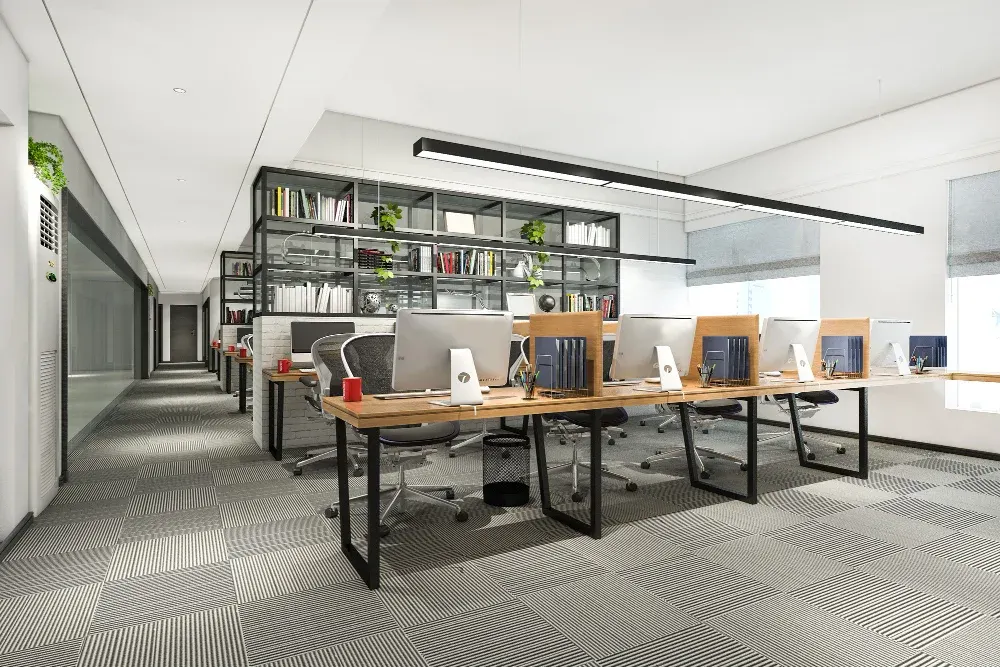
Most of the craft rooms we plan and build are converted spare bedrooms, lofts or bonus rooms. They share a lot with custom office solutions: good task light, outlets at desk height and closed storage to hide clutter. The difference is in the specifics, like deep drawers for vinyl rolls, slots for cutting mats and space for a die-cutting machine or embroidery unit.
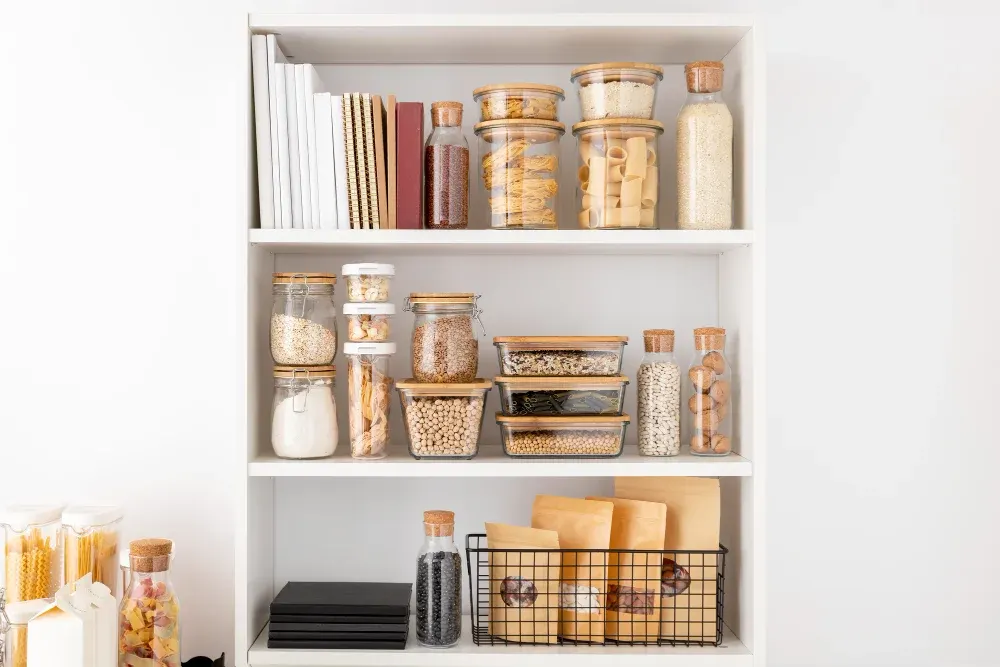
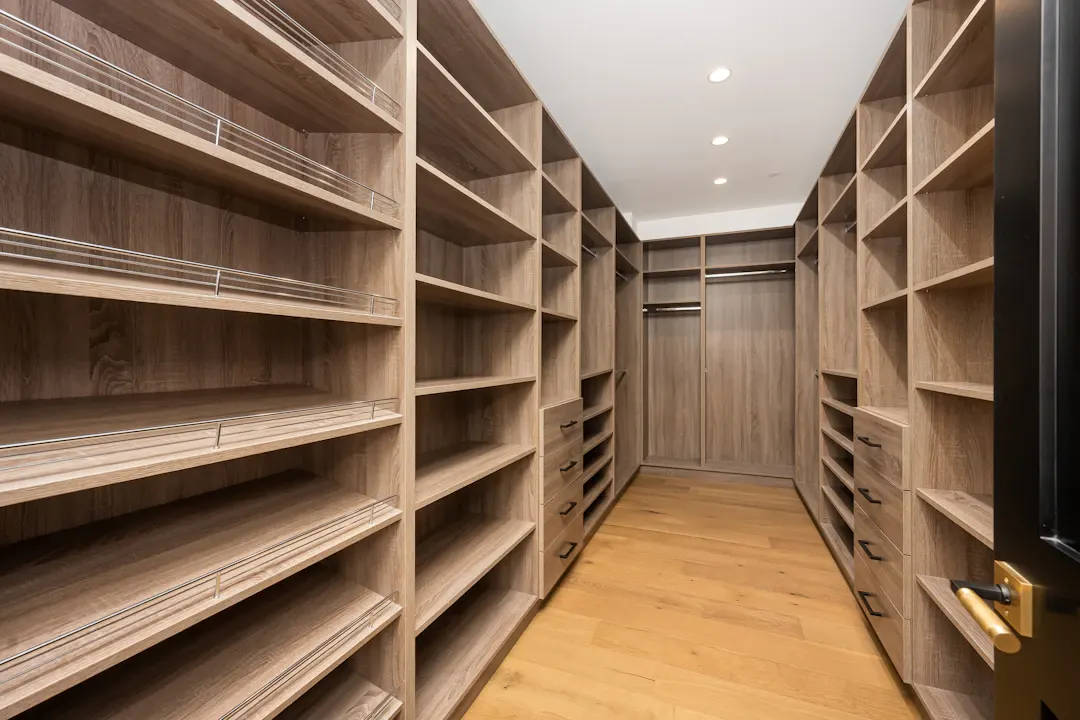
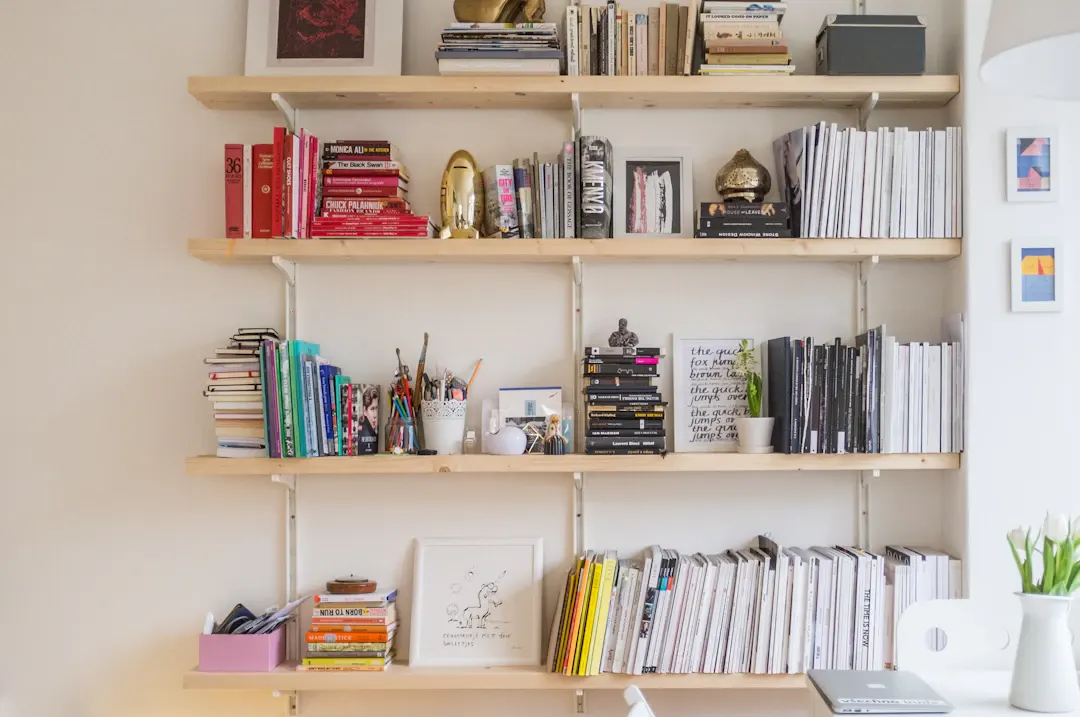
Drawers and cubbies are built around real items: 13-inch interior paper drawers, 9-inch fabric shelves for folded fat quarters, vertical slots for 24 by 36 inch cutting mats and shallow trays for thread and beads.
Cutting tables, sewing desks and painting counters are each set to your height and task. That prevents back and shoulder strain over long sessions and makes the room comfortable for hours of work.
Glass doors, open cubbies and clear bin systems let you see supplies at a glance, while closed doors protect fabric and paper from dust and sunlight fading in the bright Texas afternoon.
We plan outlets and charging at work-surface level for sewing machines, irons, cutting machines and heat guns, coordinated with your electrician so cords do not run across the floor. Floor outlets are avoided where possible.
If the craft room doubles as a guest room or office, doors and fold-down surfaces let you hide projects in progress. Everything returns to a calm room in a few minutes.
Tops in laminate over plywood, solid surface or sealed hardwood stand up to rotary cutters, hot glue, paint and irons better than the soft finishes found on most ready-made furniture.
As general planning numbers, a single wall of craft cabinets with a work counter often lands around $5,000 to $12,000 in Greater Houston, and a full room with an island, sewing station and wall storage commonly runs $15,000 to $30,000 or more. Costs vary with size, materials and site conditions. Get a written estimate after we measure your room.
Paper, fabric and yarn all absorb moisture, and Houston humidity can leave paper wavy and fabric musty if a craft room sits closed off with weak air circulation. We recommend closed cabinets for paper and good AC flow through the room, and we seal cabinet interiors so wood does not trade moisture with the contents. West-facing spare bedrooms get strong afternoon sun that fades fabric and thread, so doors or UV-filtering glass help. In older homes with limited outlets, your electrician may recommend a new circuit for irons and heat tools, which draw significant power.
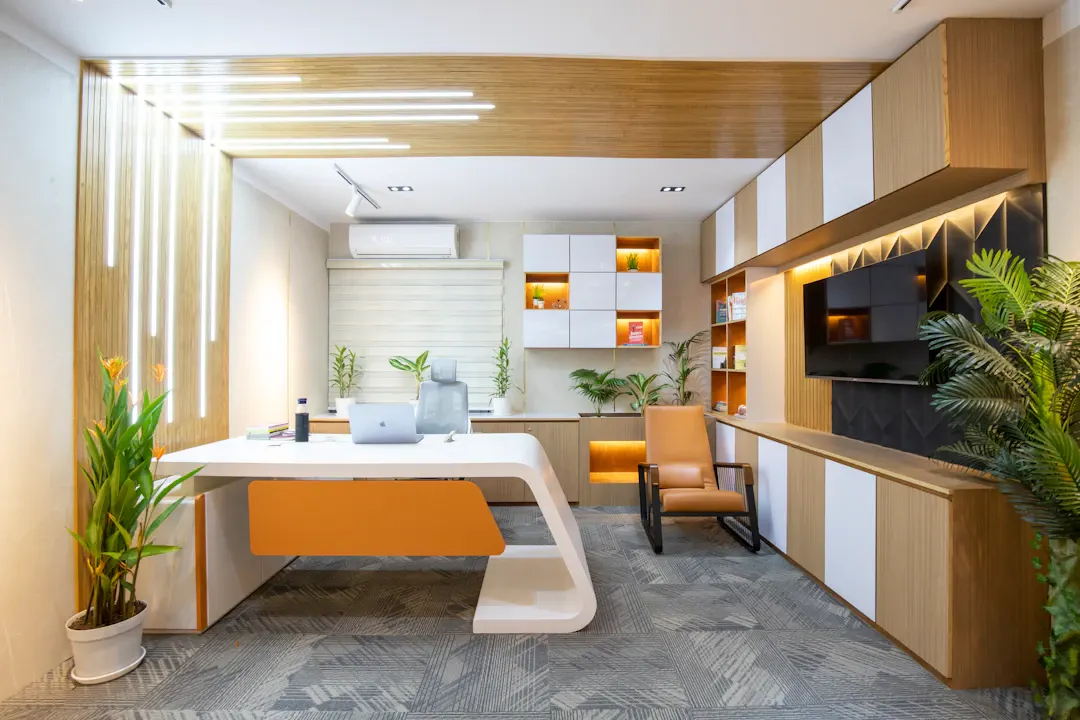 Cabinetry & Built-InsCustom Home Office CabinetryBuilt-in desks, filing cabinets, bookcases and storage walls that turn a spare room into a working home office, built from plywood and solid hardwood.
Storage & OrganizationCustom Storage SolutionsCustom pantries, linen storage, under-stair cabinets, laundry and garage storage built from plywood and hardwood to use every inch of your Houston home.
Cabinetry & Built-InsCustom Home Office CabinetryBuilt-in desks, filing cabinets, bookcases and storage walls that turn a spare room into a working home office, built from plywood and solid hardwood.
Storage & OrganizationCustom Storage SolutionsCustom pantries, linen storage, under-stair cabinets, laundry and garage storage built from plywood and hardwood to use every inch of your Houston home.
 Cabinetry & Built-InsCustom Murphy Bed CabinetsWall bed cabinetry built around a proven lift mechanism, with flanking storage, shelves or a fold-down desk, anchored securely and finished to match your room by our Houston crew.
Storage & OrganizationCustom ShelvingFloating shelves, built-in bookcases, pantry and utility shelving made from solid hardwood and plywood, engineered not to sag and installed by our own crew.
Cabinetry & Built-InsCustom Murphy Bed CabinetsWall bed cabinetry built around a proven lift mechanism, with flanking storage, shelves or a fold-down desk, anchored securely and finished to match your room by our Houston crew.
Storage & OrganizationCustom ShelvingFloating shelves, built-in bookcases, pantry and utility shelving made from solid hardwood and plywood, engineered not to sag and installed by our own crew.
We build and install custom craft room cabinets throughout Greater Houston. Find your community:
Hidden cabinet features that fix real storage problems: toe-kick drawers, appliance garages, charging drawers and more for Houston homes. Get a free estimate.
Custom cabinet storage design for small spaces in Houston homes: drawers, tall pantries, corner solutions and built-ins that fit. Book a free in-home estimate.
Learn how custom living room built-ins add storage, frame a fireplace or TV and fix awkward layouts in Houston homes. Schedule a free in-home estimate today.
Free, no-pressure estimate
Tell us about your kitchen, bath or built-in project. We usually reply within one business day.
Office hours: Mon–Fri 8:00 AM – 5:00 PM