Plan Living-Room Built-Ins Around a Fireplace and TV
Plan living room built-ins around a fireplace and TV: TV height, heat clearances, media storage, symmetry and lighting for Houston homes. Get a free estimate.

Cabinetry & Built-Ins
Media walls and entertainment centers built around your TV, speakers and equipment, with wiring and ventilation planned in.
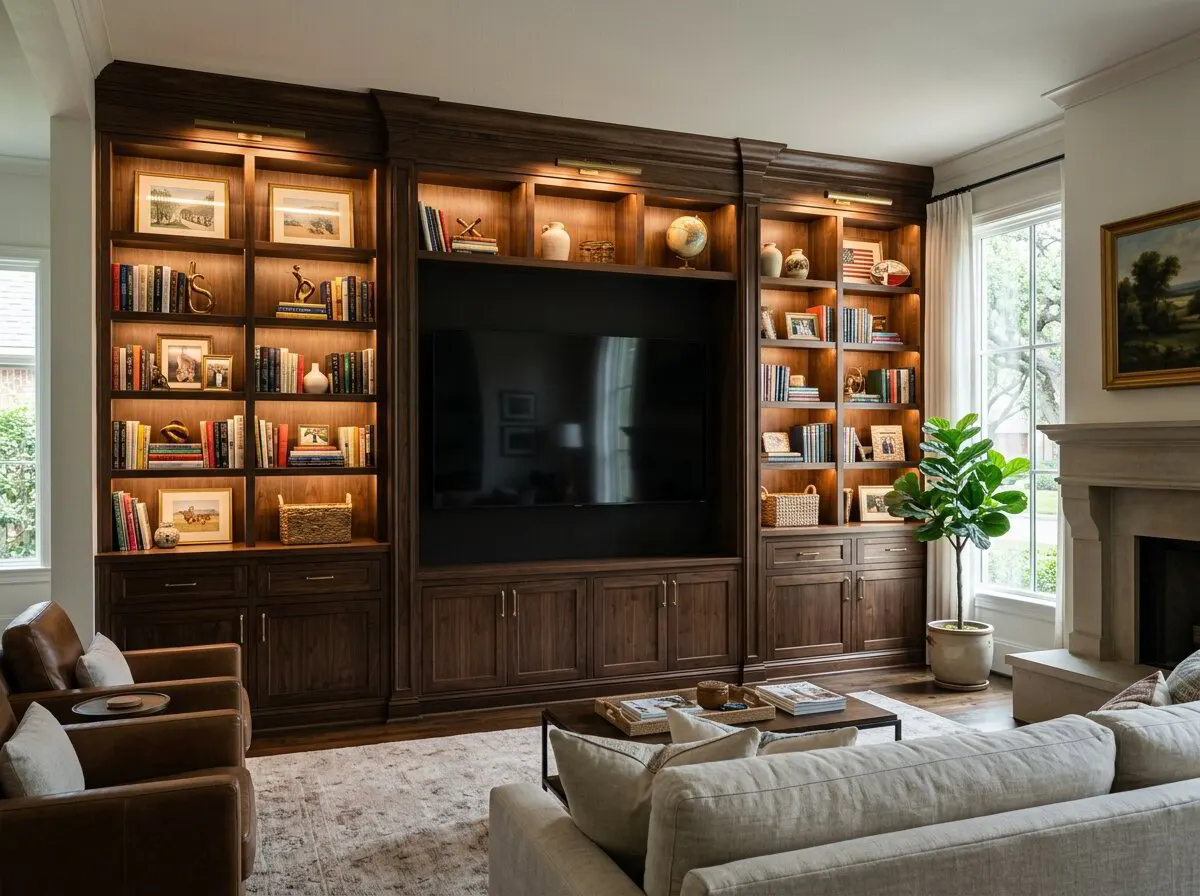
A custom entertainment center does more than hold a television. It hides the cable box, game consoles and receiver, routes wires out of sight, gives speakers a proper place, and adds storage for remotes, controllers and media. Ace Kustoms builds custom entertainment centers and media walls in our Houston shop from furniture-grade plywood and solid hardwood, and installs them with our own crew.
The starting point is your TV. Screen size sets the width of the center opening and the viewing height. For a 65 to 75-inch television, the center section often needs 66 to 72 inches of clear width, and we usually place the center of the screen around 42 inches above the floor for seated viewing. We plan equipment depth, wire chases and ventilation around the gear you already own or plan to buy.
Many projects combine an entertainment center with a fireplace, flanking bookcases or floating shelves. Related work includes our custom built-ins and TV accent wall cabinets. During a free in-home estimate, we measure the wall, look at outlet and cable locations, check the studs, and talk about how you watch, listen and play so the finished unit fits your room and your routine.
We build wire chases and grommets into the cabinetry so HDMI, power and speaker cables run out of sight. Where a TV mounts on the wall, we coordinate in-wall power and low-voltage boxes so nothing dangles below the screen.
Receivers, consoles and streaming boxes need airflow. We use perforated or slatted back panels, cut vents in shelves, and can add quiet thermostatically controlled fans so electronics stay cool behind closed doors.
IR remotes need line of sight, so equipment doors can use speaker cloth, cane, perforated metal or glass panels that let signals through. Alternatively, we plan for an IR repeater or RF remote system.
We design the TV opening with a few inches of clearance around the current screen and room to upgrade to a slightly larger one later. Overall proportions are balanced against the room, windows and ceiling height.
Plywood cases with solid hardwood faces handle the weight of heavy receivers and subwoofers. Long shelves are reinforced with hardwood edges or steel to prevent sag, and the unit is fastened to studs for safety.
Drawers for controllers and remotes, adjustable shelves for media and games, and closed cabinets for blankets and board games keep the living room tidy. Open shelves above can display books and decor.
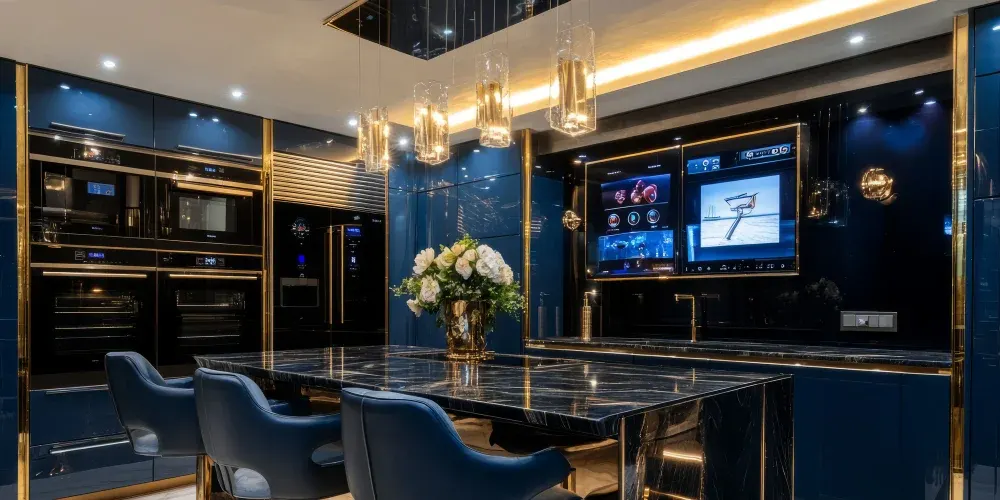
As a general planning range, a custom floating media console in Greater Houston often runs about $2,500 to $6,000, while a full built-in entertainment center or media wall commonly falls between $8,000 and $25,000 depending on size and detail. Every room is different, so treat these as rough numbers and get a written estimate.
Electronics in closed cabinets can overheat quickly, and that risk goes up in Houston homes where the AC works hard in summer and rooms near west-facing windows heat up in the afternoon. We plan ventilation paths and can add quiet fans. Many local homes have the TV wall on an exterior wall, so we check insulation and leave an air gap behind the cabinetry to avoid condensation. Slab floors in older homes are rarely level across a 12 to 16-foot wall, so we shim and scribe to keep long shelves and doors aligned. Power surges from summer storms are common, so we recommend planning space and access for a quality surge protector inside the cabinet.
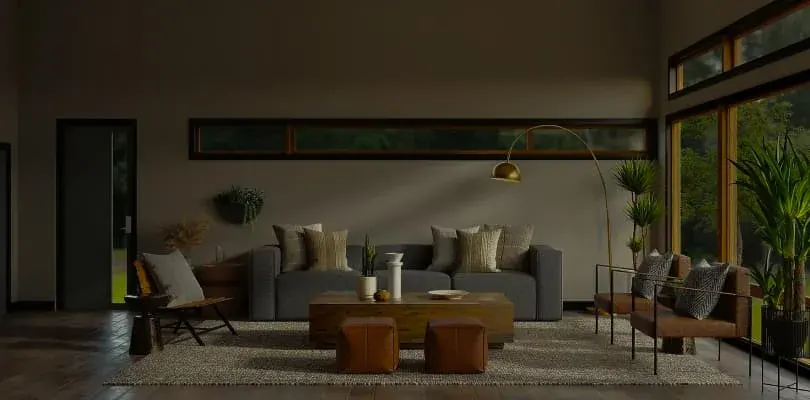 Cabinetry & Built-InsCustom Cabinetry & Built-InsBuilt-in bookcases, window seats, bench storage, wall cabinets and more, designed for your room and built from solid hardwood and furniture-grade plywood.
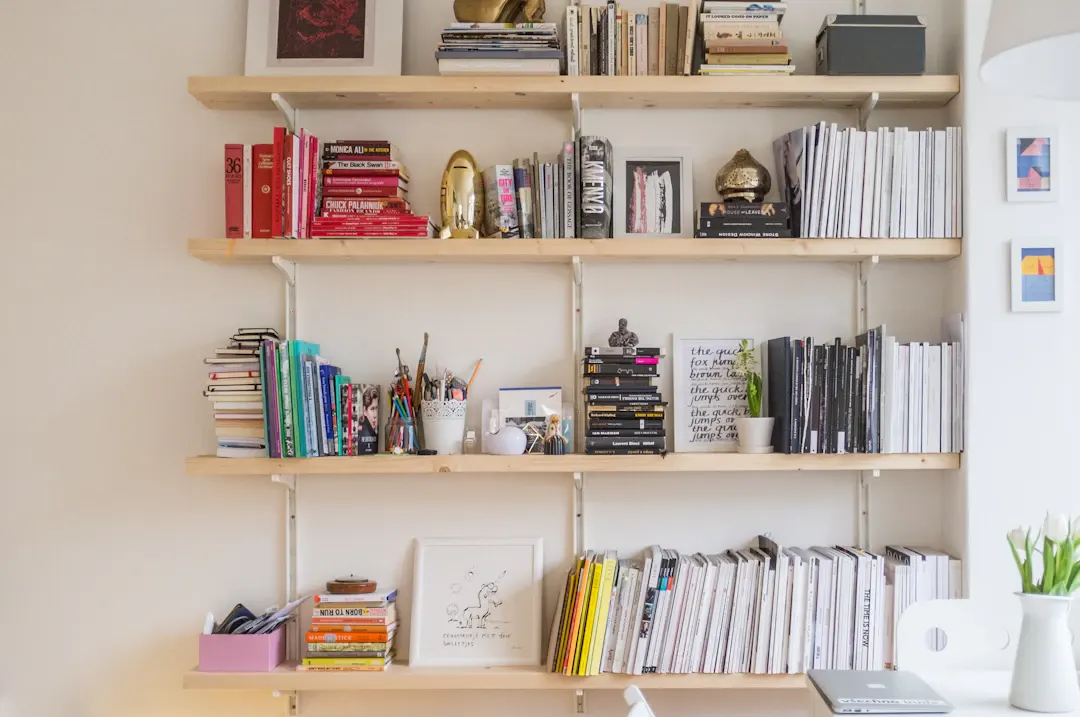 Storage & OrganizationCustom ShelvingFloating shelves, built-in bookcases, pantry and utility shelving made from solid hardwood and plywood, engineered not to sag and installed by our own crew.
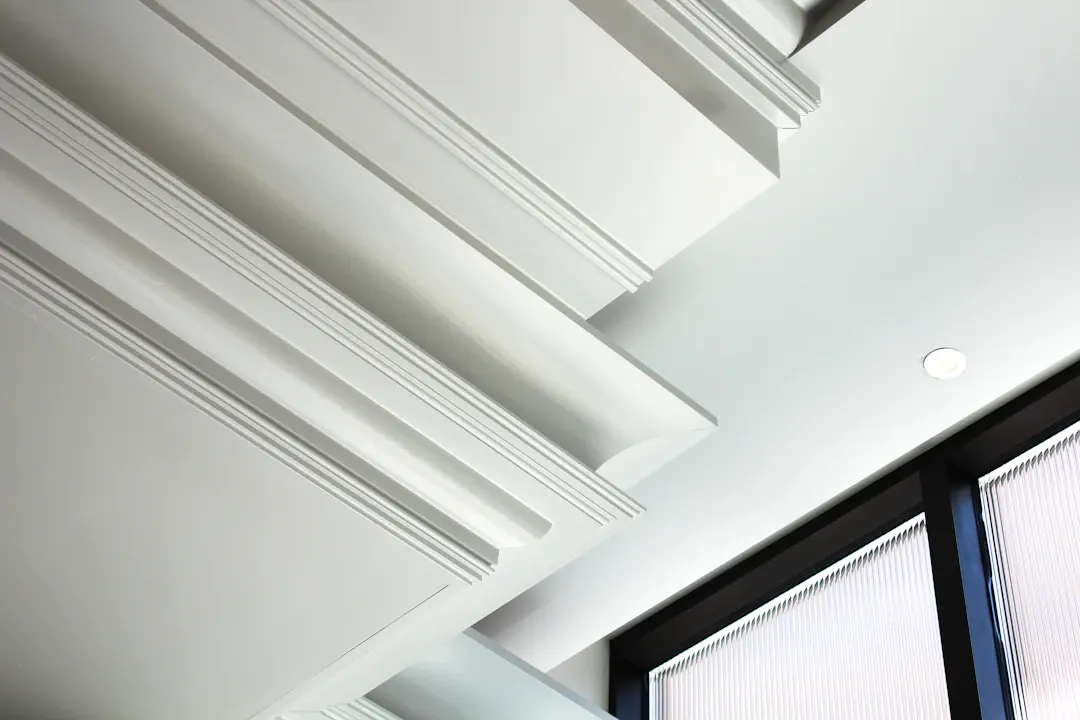 Trim, Doors & StairsCustom Trim & Millwork InstallationCrown molding, baseboards, door and window casing, wainscoting, board and batten, beams and coffered ceilings, installed by our own finish carpentry crew.
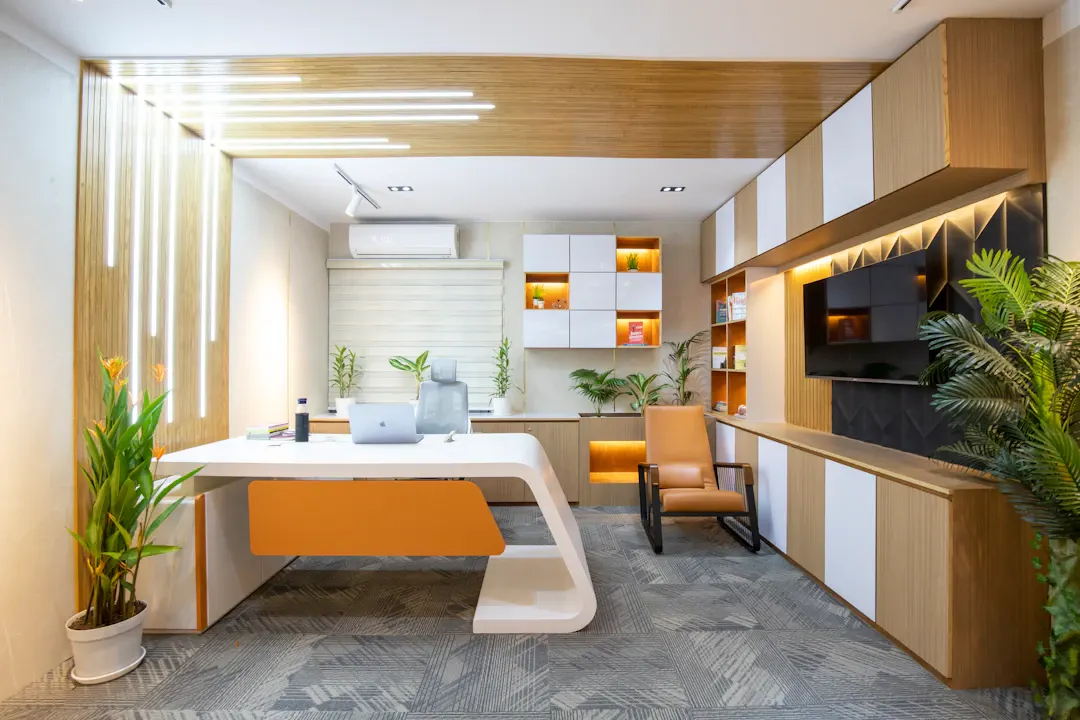 Cabinetry & Built-InsCustom Home Office CabinetryBuilt-in desks, filing cabinets, bookcases and storage walls that turn a spare room into a working home office, built from plywood and solid hardwood.
We build and install custom entertainment centers throughout Greater Houston. Find your community:
Plan living room built-ins around a fireplace and TV: TV height, heat clearances, media storage, symmetry and lighting for Houston homes. Get a free estimate.
How cabinet lighting improves custom cabinetry: under-cabinet task light, in-cabinet and toe-kick options, color temperature and planning. Get a free estimate.
Learn how custom living room built-ins add storage, frame a fireplace or TV and fix awkward layouts in Houston homes. Schedule a free in-home estimate today.
Free, no-pressure estimate
Tell us about your kitchen, bath or built-in project. We usually reply within one business day.
Office hours: Mon–Fri 8:00 AM – 5:00 PM