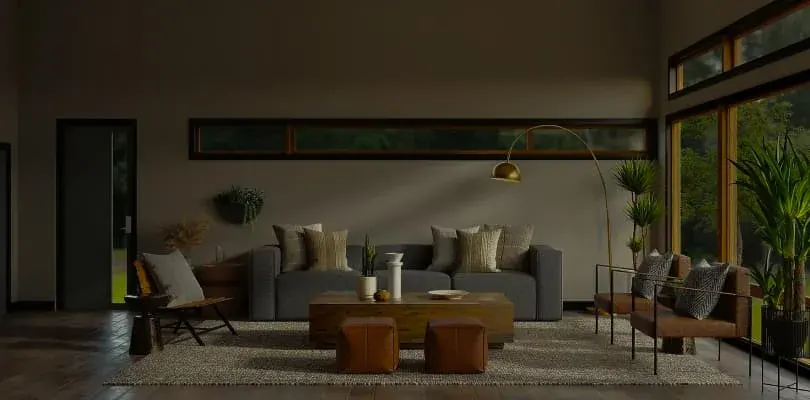
How Custom Built-Ins Can Transform a Living Room
Learn how custom living room built-ins add storage, frame a fireplace or TV and fix awkward layouts in Houston homes. Schedule a free in-home estimate today.

Galveston County · Storage & Organization
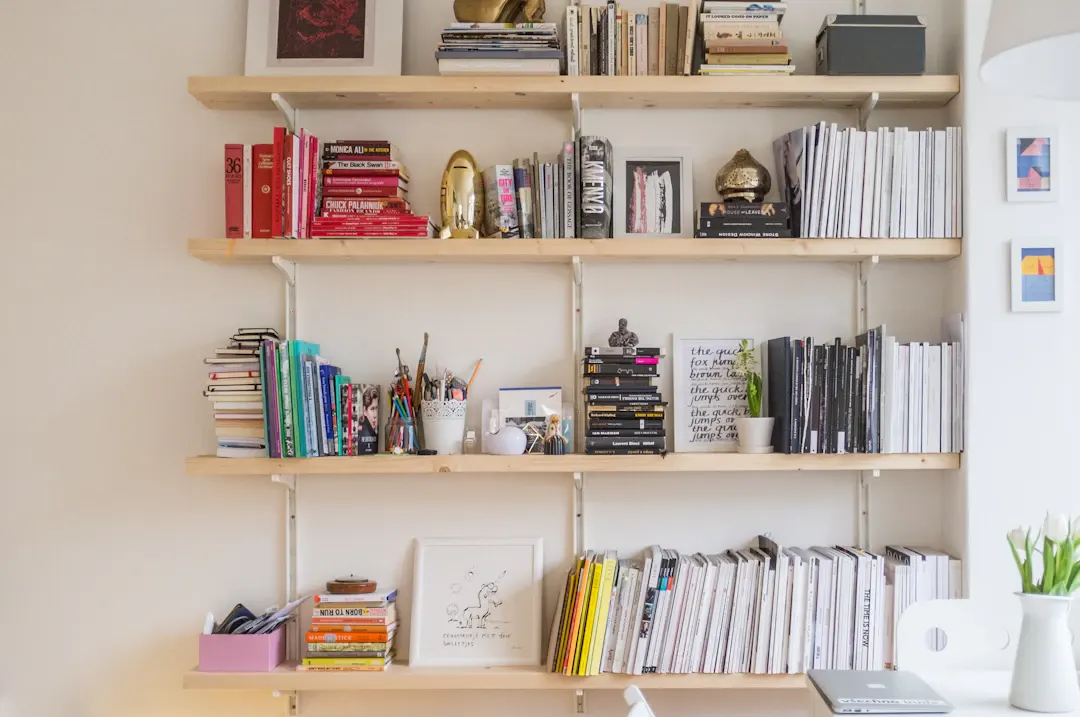
Custom craft room cabinets in Texas City are built around your supplies, machines and work habits. Ace Kustoms designs and installs them for homes throughout Galveston County.
Texas City lies on the mainland shore of Galveston Bay, across from Galveston Island, with a large refining and industrial base. The Texas City Dike reaches miles into the bay and is popular for fishing. La Marque borders it to the west, and I-45 and SH 146 connect it to Houston.
Texas City's housing is largely mid-century single-family homes, many single story on slab, with newer subdivisions on the west side. Original kitchens and baths are common upgrade targets, and homes nearer the bay face salt air. We recommend plywood construction, sealed finishes and corrosion-resistant hardware for kitchens, vanities and storage.
Newer homes in Texas City frequently include a game room, loft or flex room that does not get much use once kids grow older. Converting it to a craft room with wall cabinets, a cutting island and a sewing station gives the space a clear purpose. Open floor plans in these homes also make it easy to add a large central work table.
Every project starts with an in-home measurement in Texas City. We build in our Houston shop and the same crew handles installation, so the person you talk to at the estimate is accountable for the result. Learn more about our full custom craft room cabinets service.
Drawers and cubbies are built around real items: 13-inch interior paper drawers, 9-inch fabric shelves for folded fat quarters, vertical slots for 24 by 36 inch cutting mats and shallow trays for thread and beads.
Cutting tables, sewing desks and painting counters are each set to your height and task. That prevents back and shoulder strain over long sessions and makes the room comfortable for hours of work.
Glass doors, open cubbies and clear bin systems let you see supplies at a glance, while closed doors protect fabric and paper from dust and sunlight fading in the bright Texas afternoon.
We plan outlets and charging at work-surface level for sewing machines, irons, cutting machines and heat guns, coordinated with your electrician so cords do not run across the floor. Floor outlets are avoided where possible.
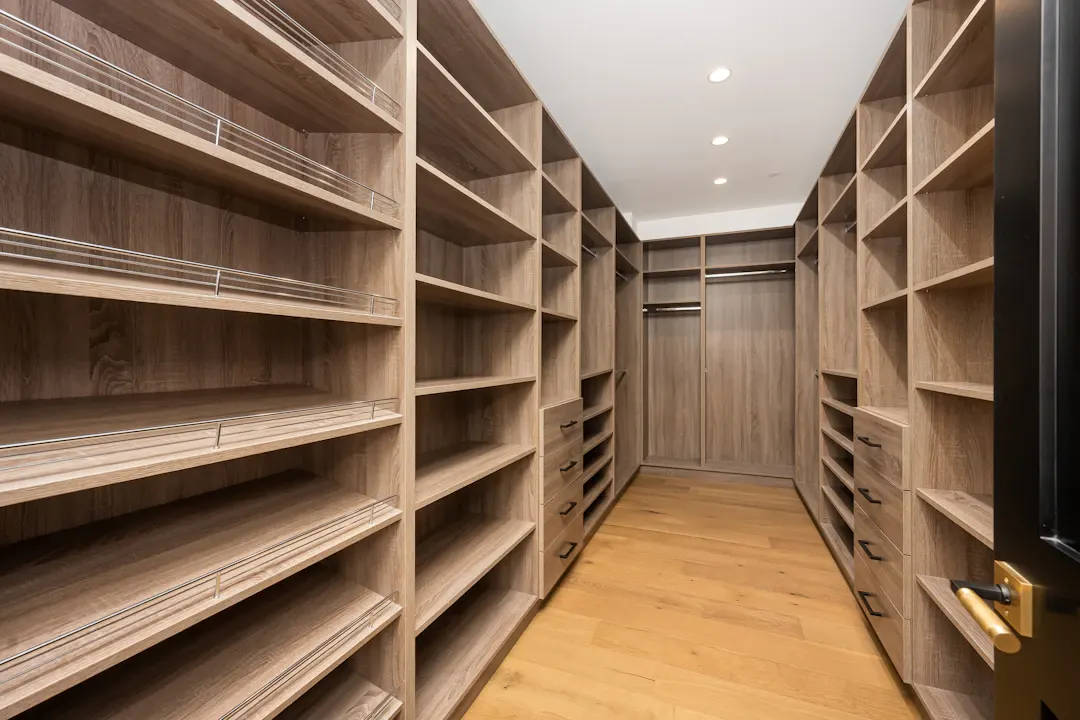
Paper, fabric and yarn all absorb moisture, and Houston humidity can leave paper wavy and fabric musty if a craft room sits closed off with weak air circulation. We recommend closed cabinets for paper and good AC flow through the room, and we seal cabinet interiors so wood does not trade moisture with the contents. West-facing spare bedrooms get strong afternoon sun that fades fabric and thread, so doors or UV-filtering glass help. In older homes with limited outlets, your electrician may recommend a new circuit for irons and heat tools, which draw significant power.
Salt air, high humidity and storm exposure define this county. We build with plywood boxes, sealed edges and finishes chosen for damp conditions, and we steer coastal homeowners toward corrosion-resistant hardware. In elevated homes, kitchens can see wider temperature and humidity swings, so stable door construction matters. For ground-level homes in flood-prone areas, we can plan raised bases and moisture-tolerant materials for the lowest components.
As general planning numbers, a single wall of craft cabinets with a work counter often lands around $5,000 to $12,000 in Greater Houston, and a full room with an island, sewing station and wall storage commonly runs $15,000 to $30,000 or more. Costs vary with size, materials and site conditions. Get a written estimate after we measure your room.
Learn how custom living room built-ins add storage, frame a fireplace or TV and fix awkward layouts in Houston homes. Schedule a free in-home estimate today.
Open shelving vs closed cabinets: decide room by room based on what you store, how often you use it, and Houston dust and humidity. Book a free estimate.
Hidden cabinet features that fix real storage problems: toe-kick drawers, appliance garages, charging drawers and more for Houston homes. Get a free estimate.
Free, no-pressure estimate
Tell us about your kitchen, bath or built-in project. We usually reply within one business day.
Office hours: Mon–Fri 8:00 AM – 5:00 PM