How to Choose Wood for Custom Cabinets
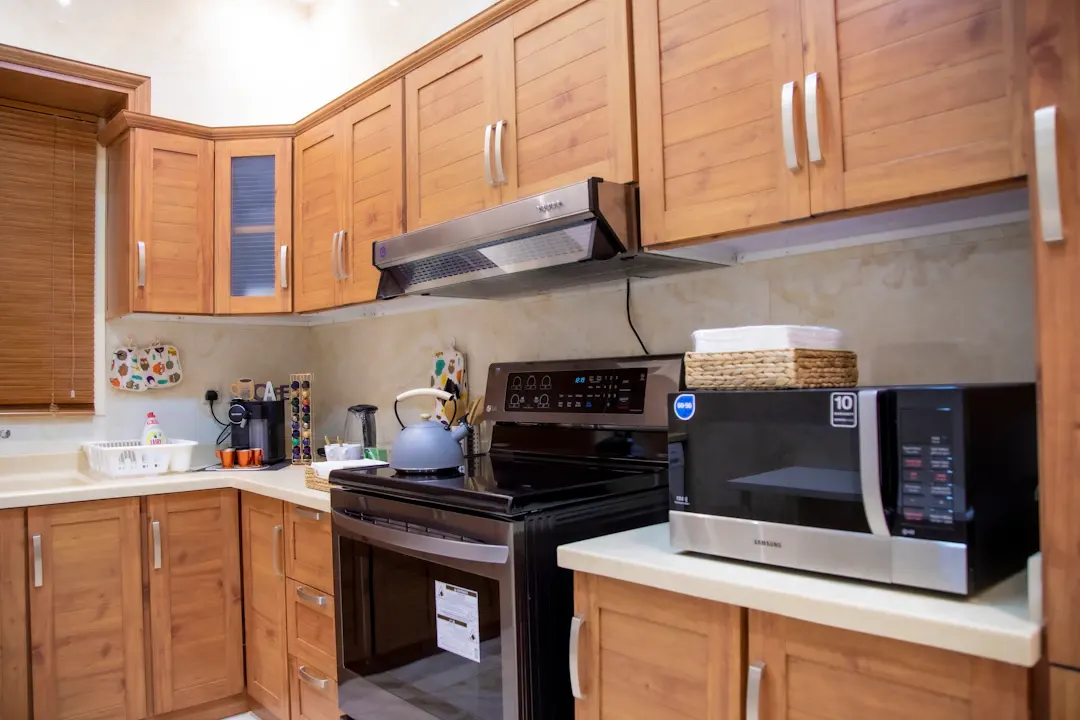
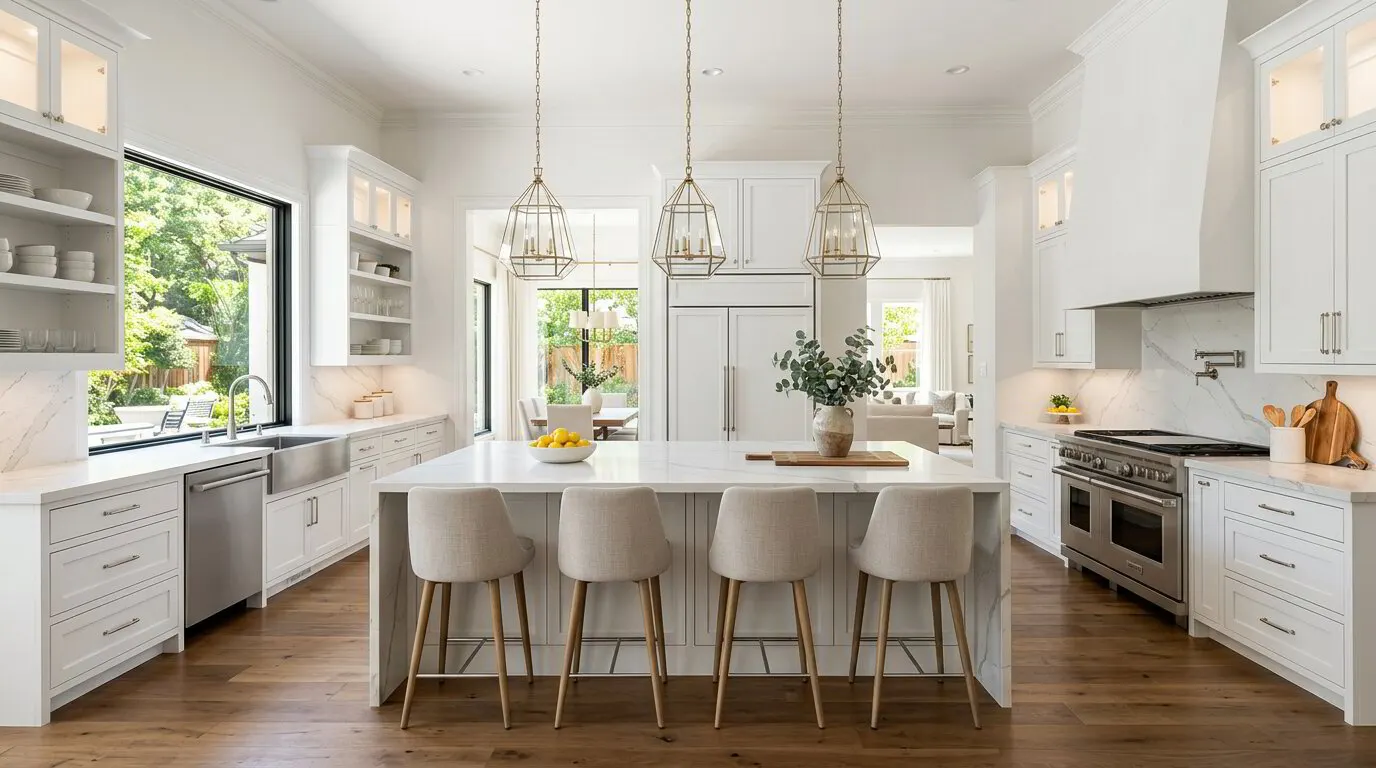
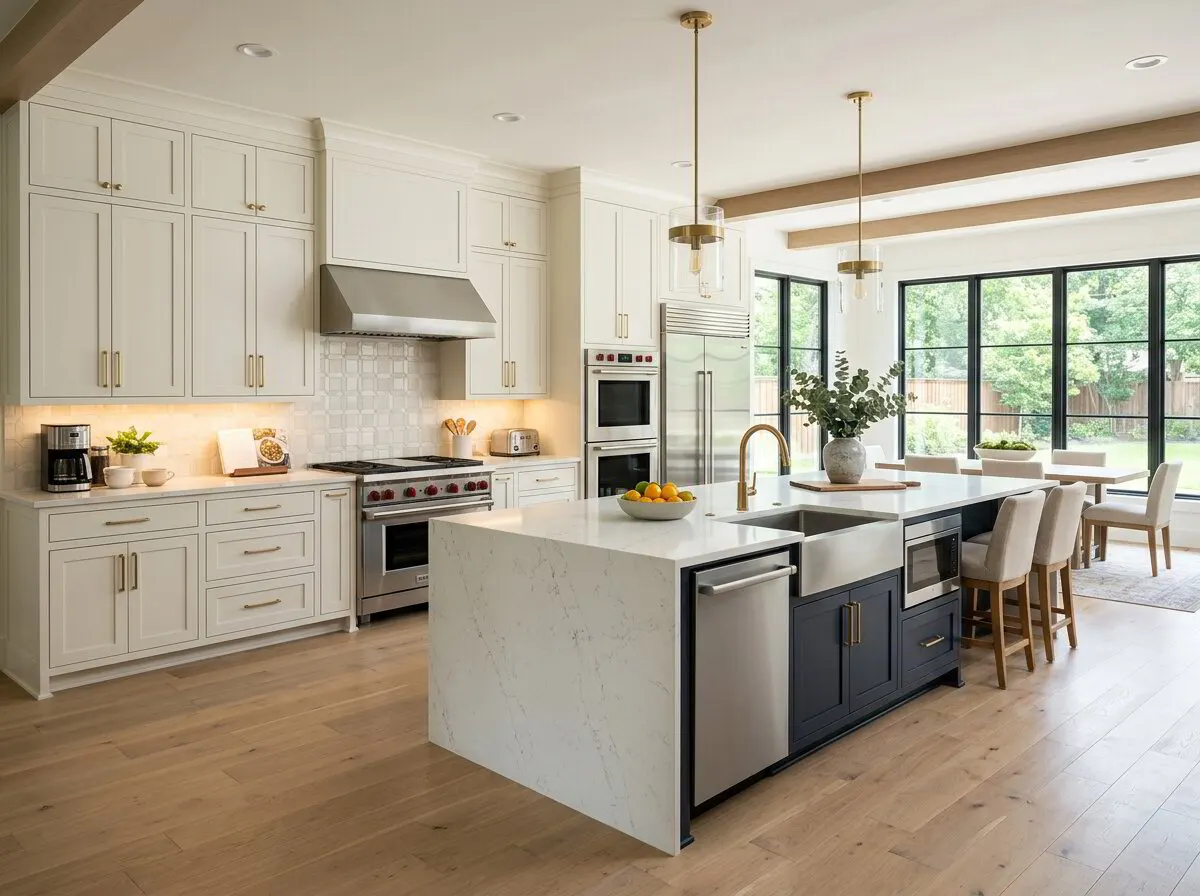
Picking a door style and color is the fun part of planning cabinets. Choosing the wood underneath is the part that decides how those cabinets look in ten years, how the finish behaves and how well the doors stay flat through Houston summers. Knowing how to choose wood for custom cabinets helps you match the species to your finish, your budget and the way your household actually uses the room.
This guide is for homeowners planning custom kitchen cabinets, vanities or built-ins who want a plain-language explanation of the common hardwoods, how they take paint and stain, and how construction choices interact with our humid climate. We will also cover plywood, because the box matters as much as the doors.
At Ace Kustoms, we build with solid hardwoods such as maple, oak and walnut, plus furniture-grade plywood. We do not use particleboard boxes. During the design stage we bring real samples to your home, because a sample in your own light tells you more than any photo.
Start With the Finish, Not the Species
The first question is whether your cabinets will be painted or stained. That single decision narrows the field quickly.
- Painted cabinets need a tight, smooth, closed-grain wood so the paint lays flat without grain texture showing through.
- Stained or clear-coated cabinets let the wood's grain and color show, so the species becomes part of the design.
If you want white, gray, navy or green cabinets, you are mostly choosing for paint performance. If you want warm wood tones, you are choosing for grain pattern, color and how the wood will age.
It also helps to think about how the finish will be maintained. Painted cabinets show chips at edges in busy kitchens and need occasional touch-up. Stained wood hides small dings and wears more gracefully, but it shows sun fading near bright windows. Neither is better; they simply age differently, and the species you pick should suit the aging you are comfortable with.
Common Wood for Custom Cabinets Compared
Here is how the hardwoods we see most often compare. Hardness and cost are relative to each other, and actual pricing varies with grade, cut and availability.
| Species | Grain | Best finish | Relative cost | Notes |
|---|---|---|---|---|
| Hard maple | Fine, tight, subtle | Paint or light stain | Moderate | Smooth paint surface; can blotch with dark stain |
| Red oak | Open, pronounced cathedral grain | Stain | Moderate | Classic look; grain shows through paint |
| White oak | Open, straight; rift and quarter-sawn options | Stain or clear | Moderate to high | Popular for modern and transitional kitchens |
| Cherry | Fine, smooth | Clear or light stain | High | Darkens noticeably with light exposure |
| Walnut | Medium, rich figure | Clear | High | Deep brown color; elegant on islands and uppers |
| Hickory | Bold, varied color | Stain or clear | Moderate | Very hard; rustic character |
| Poplar | Fine, uniform | Paint only | Lower | Greenish streaks make it a poor choice for stain |
Maple
Hard maple is the workhorse for painted cabinetry. Its grain is tight enough that a quality painted finish looks smooth and even. Maple also takes clear finishes beautifully for a light, Scandinavian look. Dark stains can blotch on maple unless the finisher uses a conditioner or toner, so if you want espresso-colored cabinets, discuss the process.
Red oak and white oak
Red oak has a strong cathedral grain that many people associate with 1980s and 1990s kitchens. It is durable and takes stain readily. White oak has a straighter, calmer grain, especially when rift-sawn, and has become a favorite for modern and transitional kitchens with a natural or lightly stained finish. Both oaks are open-grained, so painting them leaves texture visible unless the grain is filled.
Walnut and cherry
Walnut brings deep brown color without stain and suits islands, floating shelves and statement uppers. Cherry starts a pinkish tan and darkens to a rich reddish brown over months and years, especially in sunny rooms. Both cost more and are often used as accents rather than for an entire kitchen.
Hickory
Hickory is hard and has dramatic color variation from cream to dark brown in the same board. It fits rustic and farmhouse looks but can feel busy in a large kitchen.
How Houston Humidity Affects Wood Choice
Wood moves with moisture. It absorbs water vapor from humid air and swells slightly, then releases it and shrinks when the air dries. In Houston, indoor humidity can swing between AC-dried winter air and sticky summer months, especially in homes with older or oversized HVAC systems.
Species matters a little here. Some woods move more than others. But construction and finishing matter far more:
- Properly dried lumber. Wood should reach a stable moisture content before it is machined. Building with lumber that is too wet invites warping and cracked joints later.
- Floating panels. In frame-and-panel doors like Shaker or raised panel, the center panel floats in a groove so it can expand and contract without splitting the frame.
- Finish on all sides. Sealing the back and edges as well as the face slows moisture exchange and reduces cupping.
- Plywood where stability matters most. Boxes, shelves and large flat panels built from furniture-grade plywood resist movement because the layers are cross-laminated.
- Painted door joints. On painted frame-and-panel doors, a fine hairline at the joints during seasonal changes is normal wood behavior, not a defect. Choosing a solid-wood or MDF center panel for painted doors is a design conversation worth having.
For more on finishes in humid conditions, see our guide to the best cabinet finishes for Pasadena, TX humidity, which applies across the Houston area.
Why the Cabinet Box Matters as Much as the Doors
Homeowners understandably focus on doors, but the box is what holds the countertop, the sink and the dishwasher. Builder-grade cabinets in many newer Houston subdivisions use particleboard boxes with a printed or melamine skin. Particleboard swells when it gets wet and does not recover, and it holds screws poorly over time.
Furniture-grade plywood is the better choice for boxes:
- It holds screws and hinge plates securely.
- It resists sagging under the weight of stone countertops and full shelves.
- It tolerates an occasional leak far better than particleboard.
- It can be finished on the interior for a clean, easy-to-wipe surface.
Face frames, doors and drawer fronts are typically solid hardwood in our custom kitchen cabinets, with drawer boxes built from hardwood or quality plywood with strong joinery.
Matching Wood to Room and Use
Different rooms put different demands on wood.
Kitchens
Kitchens get the hardest use. For painted kitchens, maple is a reliable choice. For stained kitchens, oak, hickory and walnut hide daily wear well because their grain disguises small dings. Many Houston homeowners split the difference with painted perimeter cabinets and a stained walnut or white oak island.
Bathrooms and vanities
Bathrooms have higher humidity spikes. Well-sealed hardwood and plywood perform well, but finish quality and ventilation matter even more here than in a kitchen.
Built-ins and living spaces
Custom cabinetry and built-ins for living rooms, offices and libraries see lighter wear, so they can show off more delicate or figured woods like cherry or quartersawn white oak. They also need to coordinate with existing floors and trim.
Coastal homes
In Galveston and coastal Brazoria County, salt air and high humidity are constant. Wood choice is less important than sealing every surface, choosing corrosion-resistant hardware and keeping the home's HVAC running consistently. Our article on cabinet materials for Galveston coastal homes goes deeper on that environment.
Grain, Cut and Grade: Details That Change the Look
Two kitchens made from the same species can look very different depending on how the lumber is cut and graded.
- Plain-sawn lumber shows cathedral or flame patterns and is the most economical.
- Quarter-sawn lumber shows straight grain and, in oak, distinctive ray fleck. It is more stable and more expensive.
- Rift-sawn lumber shows tight, straight lines without ray fleck and is popular for modern slab and Shaker doors. It costs the most because more of the log is wasted.
- Select grades have fewer knots and less color variation; character grades embrace knots, mineral streaks and sapwood for a rustic look.
Ask to see samples that show the range within a species, not just one perfect board. Natural wood varies, and you should be comfortable with that variation before committing.
Budgeting for Wood Species
Wood species is one of several factors in cabinet cost, alongside door style, finish, construction details, hardware and installation. Choosing walnut or rift white oak over maple can add noticeably to the total, especially in a large kitchen. Using a premium species on an island or a single wall is a common way to get the look without the full cost.
As a general planning range, custom kitchen cabinetry in Greater Houston, including Harris County and surrounding counties, often runs from roughly $500 to $1,200 or more per linear foot depending on species, door style, finish and complexity. Treat that as a broad planning figure only; a written estimate based on your layout is the reliable number. If sustainable sourcing matters to you, our eco-friendly custom cabinetry planning guide covers what to ask about.
Ready to See Real Wood Samples in Your Home?
Choosing wood for custom cabinets starts with the finish you want, then narrows by grain, color, budget and how the room is used. Construction details like plywood boxes, floating panels and fully sealed parts are what keep that wood looking right through Houston humidity.
We bring maple, oak, walnut and other samples to your home so you can see them in your own light next to your floors and countertops. Request a free in-home estimate or call (281) 660-3903, and we will help you choose a species that fits your design and budget, then build it in our Houston shop.
Frequently asked questions
What is the best wood for painted cabinets?
Which wood holds up best in Houston humidity?
Is plywood a good material for cabinet boxes?
Do darker woods like walnut cost more?
Planning a project like this?
Get a free in-home estimate from the team that builds and installs the work.