Protecting Wood Cabinet Doors When Houston Heat Kicks On
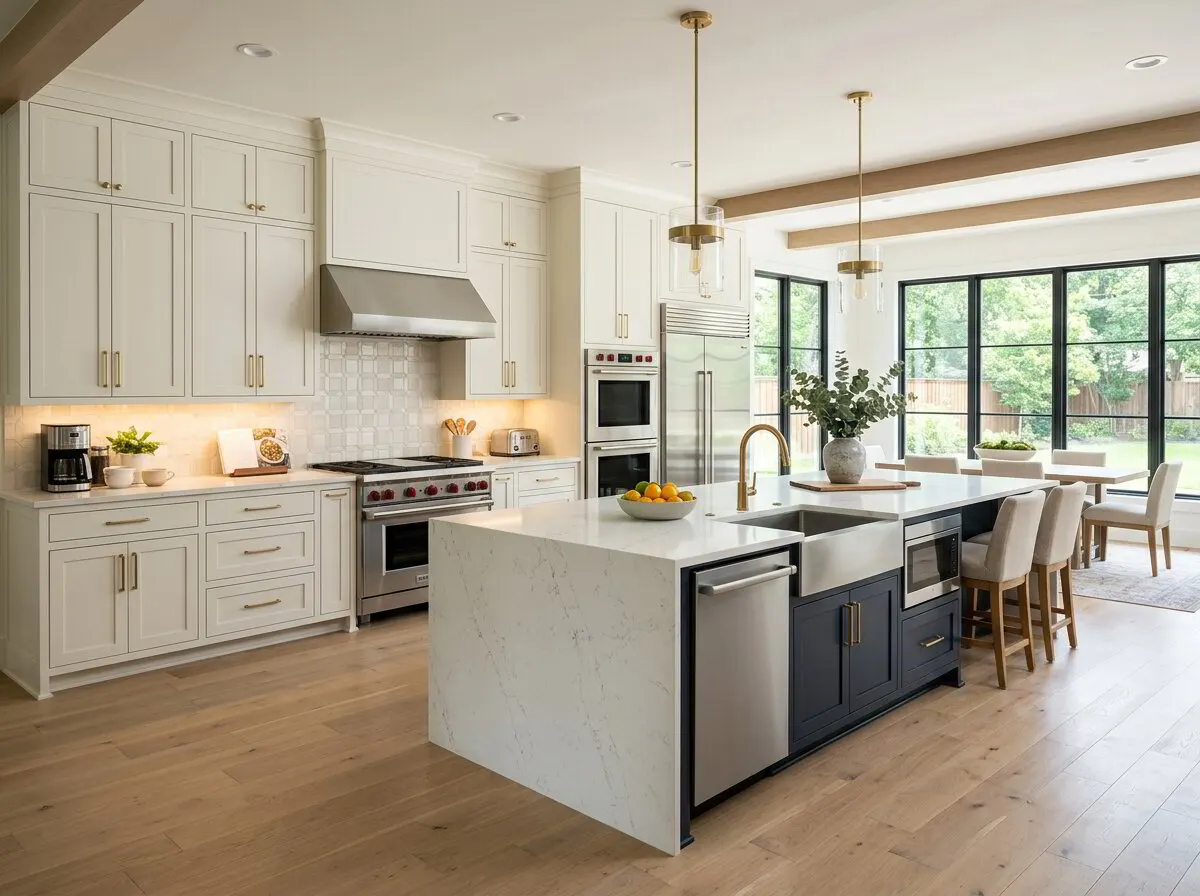
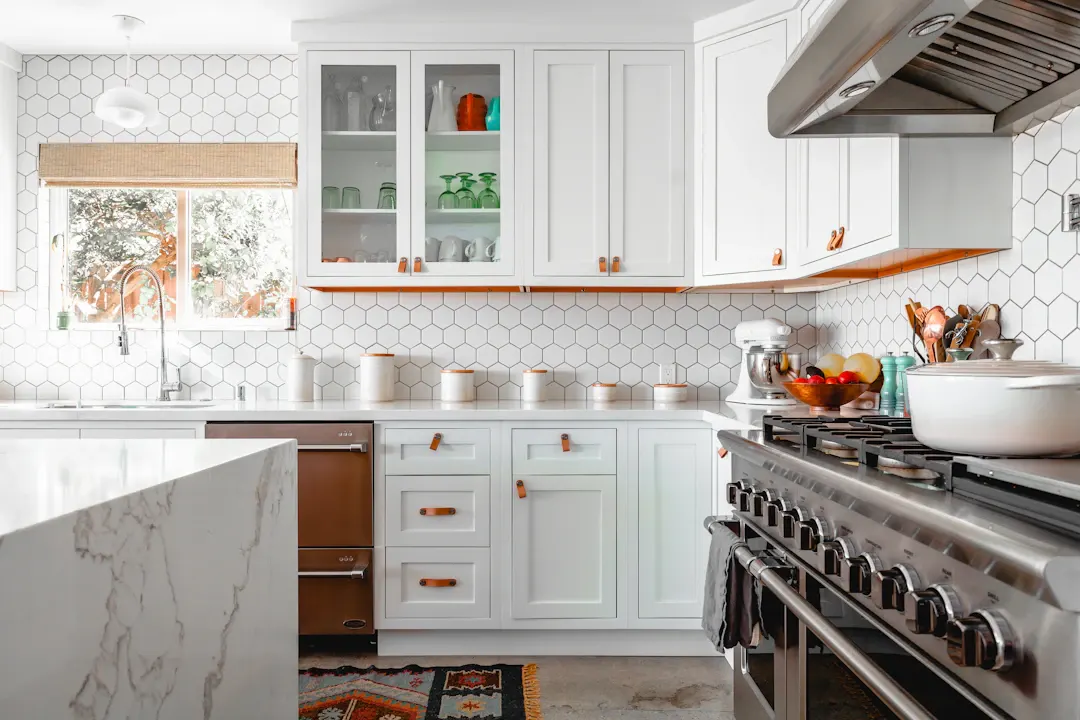
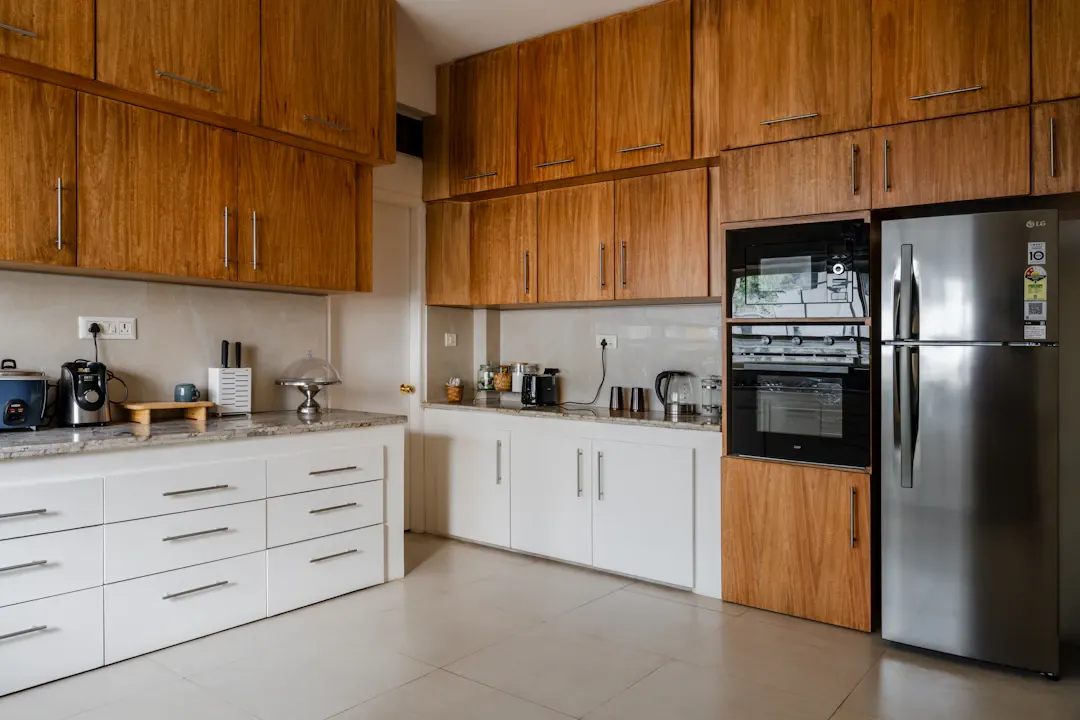
The first real cool front of the season is when many Houston kitchens start asking for heat, sometimes only at night. If you are looking at Houston cabinet doors the next morning and a door that sat flush in October now shows a line of light at the top, or a painted edge that looks slightly proud, you are seeing wood do what wood does.
This is not a reason to panic, and it is not automatically a reason to replace the kitchen. It is a seasonal humidity swing in a Gulf Coast house that has been in air-conditioning for months. This guide is for homeowners in Houston and the rest of Harris County who want a clear way to protect doors, hinges and finishes when the heat first comes on.
Why the first heat cycle shows up on cabinet doors
Cabinet doors are thin compared with the boxes they hang on. Solid wood, wood veneer and even some painted doors take on and give off moisture as the indoor air changes. Through a Houston summer, the air conditioner pulls moisture out of the house, but cooking, dishwashers and a humid garage still keep many kitchens on the damp side of comfortable. A November cold front does two things at once: people close the windows, and they turn on the heat. The indoor air often gets drier, sometimes quickly.
Wood shrinks across the grain as it dries. A door can pull in a little at the edges, a center panel can shrink inside its frame, and a tight reveal can open into a hairline. Painted doors show this more than a clear-coated stain, because a hairline in paint catches the eye. None of that means the custom kitchen cabinets were built wrong. It means the house just changed climate.
A few local habits make the swing sharper:
- A supply vent that blows directly onto a door or a tall pantry
- A kitchen that stays closed while the rest of the house is heated
- A sudden jump from a cool set point to a much warmer one on the first chilly night
- Steam from holiday cooking in a room that was dry the day before
If you already know the boxes themselves are swollen or failing, that is a different problem, covered in when Houston kitchen cabinets need replacement. Seasonal door movement is usually limited to the doors, the end panels and the fillers.
What to check the morning after the first cold night
Walk the kitchen with the doors closed, then open a few of them. You are looking for change, not for a showroom-perfect reveal.
Look at the gaps around each door. An even, narrow line that appeared overnight is typical shrinkage. A gap that is wide on one side and tight on the other can mean a hinge has shifted, or that one stile is moving more than the other. Stand at the end of a run and sight down the faces. A single door that kicks out at the top or bottom is often a hinge issue, not a failed box.
Open the doors next to the dishwasher, the sink and the range. Those three see the most heat and moisture. A door that now rubs the one beside it, or a corner that has started to chip, should be eased, not forced. Check the hinge screws, especially on heavier doors and on any door a child swings. A screw that has started to back out will make a door look warped when it is only loose.
On painted doors, look at the outside edges and the profiles of the rails. A hairline at a joint can look like a crack in the finish. If the wood is sound and the line is faint, it is often a seasonal reveal, not peeling paint. Peeling, bubbling or a soft edge near the sink is moisture damage, and it needs a different conversation, closer to the care steps in our custom cabinet maintenance guide.
If you have custom bathroom vanities in a guest bath that was closed all summer, check those doors too. A small, unused room can dry out faster than a busy kitchen once the heat is on.
What actually protects the doors
You do not need a special cabinet product for the first cold week. You need a steadier indoor climate and a little mechanical care.
Keep the heat reasonable. A large overnight jump does not warm the house faster in any useful way, and it dries the air around the doors more abruptly. If you have a humidity readout on a thermostat or a small hygrometer, watch it for a couple of days. Many wood finishes are happiest when indoor air is not bone-dry and not steamy. If the air feels harsh and static, a moderate humidifier in an adjacent room is gentler than wetting the doors themselves. Do not wipe oil or water onto a painted edge to “feed” the wood. That is how finishes spot.
Look at the registers. If a supply vent points at a stack of doors, redirect the airflow if the register allows it, or talk with your HVAC technician about a deflector. A stream of hot, dry air on one door, year after year, is a classic way to cup a panel or open a joint.
Leave the doors slightly ajar only if you are trying to equalize a damp sink base, and only for a short time. Parking every door open for days lets dust onto shelves and can twist a hinge that was already loose. Normal use, with doors closing gently, is the better habit.
When you cook for a crowd, use the hood, and crack a window if the kitchen has gone heavy with steam. A humid kitchen against a dry hallway is a stress point at the first door in the run. The Houston kitchen remodel timeline is about schedule, but the same holiday weeks are when this humidity swing is at its worst. If you are hosting in the kitchen you have, protect the doors you have.
Hinges, catches and the repairs you can do safely
A loose hinge is the most common “warped door” that is not warped at all. If the screw bites, tighten it until the door sits where it used to. If the screw spins, stop. The hole is stripped. A toothpick-and-glue trick can hold a light door for a while, but a heavy custom door deserves a proper repair, a longer screw only when it will bite into solid wood, or a hinge relocation. Driving a longer screw blindly can punch through the inside of a face frame.
Many European-style hinges have adjustment screws for height, side to side, and in and out. A quarter turn is enough to test. If you are not sure which screw does what, leave it, or have a cabinet installer set the reveal. Over-adjusting one door can make the next one look worse.
Catches, magnets and soft-close pistons also dry out or collect grit. A door that no longer pulls shut, or that slams because the damper is sticking, is a hardware issue. Our cabinet hardware guide walks through hinges and slides in more detail. Do not spray a heavy oil into a soft-close piston. A dry cloth on the cup and a light, manufacturer-approved cleaner are safer.
If a door has truly cupped, or a center panel has moved enough to split a finish, that is shop work. A good cabinet shop can often rebuild or replace a door without replacing the boxes, which is a smaller job than a full kitchen remodel. Ask for a written note on whether the door can be repaired, replaced to match, or should wait until the indoor climate steadies.
Painted doors, stained doors and coastal humidity
Houston is hard on finishes even when the heat is off. The same humidity that swells a sink base in August can dry a painted edge in November. A quality finish still moves a little, because the wood under it moves.
Stained and clear-coated doors tend to hide small seasonal lines. Painted doors, especially a hard, bright white, show every hairline. That is a visual issue more than a structural one if the joint is sound. Keep an eye on any line that grows, picks up dirt, or starts to flake. A stable hairline can be left until a planned refinish. A growing one should be looked at.
Homes closer to the water, in places such as those described in best cabinet materials for Galveston coastal homes, see salt and even wider humidity swings. The same checks apply, with extra attention to hinges and catches that can corrode. Inland Houston is milder, but a tight, well-sealed house with strong heat can still dry a kitchen quickly.
If you are choosing a new finish now, ask how it is expected to behave in a house that is air-conditioned most of the year and heated only in short stretches. The sample in the shop and the door in your kitchen will not live in the same air.
When a seasonal change is actually a larger problem
Call a cabinet maker, or at least pause the DIY work, if you see any of the following:
- A door that will not close, or that has started to scrape the counter or the neighboring door
- A box that is swollen, delaminated or soft at the sink, dishwasher or range
- Gaps that are large on one side of a run and tight on the other, especially if the fillers have pulled
- Finish that is peeling in sheets, or dark staining inside a cabinet
- A tall pantry or refrigerator panel that has moved enough to bind a door
Those are not first-cold-night issues. They are moisture, settlement or installation problems, and tightening screws will not fix them. A measure of the kitchen you have is more useful than a product that claims to harden doors overnight.
If you are already planning new doors or a larger kitchen for early 2027, mid-November is a reasonable time to start the design, for the same reasons laid out in the holiday timeline: shop work can happen while you cook in the kitchen you have.
A short November checklist
The useful work fits in a single pass around the room.
- After the first night of heat, look at the reveals and sight down the door faces.
- Snug loose hinge screws that still have bite. Leave stripped holes for a proper repair.
- Redirect any register that blows onto a door.
- Keep the first heat cycle modest, and watch how dry the kitchen feels.
- Use the hood when you cook, especially as holiday meals start to pile up.
- Note any door that has truly cupped or any box that feels soft, and get those looked at before you host a full house.
When you want someone to look at the doors in place, request a free in-home estimate. We will tell you whether you are seeing seasonal movement, a hinge that needs to be set, or a box that is done. You can also call (281) 660-3903 Monday through Friday, 8am to 5pm. Bring photos of the doors in the morning light if you cannot be there during those hours. The right next step is usually smaller than a new kitchen, and it is easier to choose before a holiday week is on top of you.
Frequently asked questions
Why do cabinet doors look different after the first cool week in Houston?
Will running the heat warp custom wood cabinet doors?
Should I tighten loose cabinet doors myself?
Is a gap at the top of a door a reason to replace the cabinets?
When is the best time to refinish or replace doors in Houston?
Planning a project like this?
Get a free in-home estimate from the team that builds and installs the work.