Modern Cabinetry in Historic Homes: Keep Character
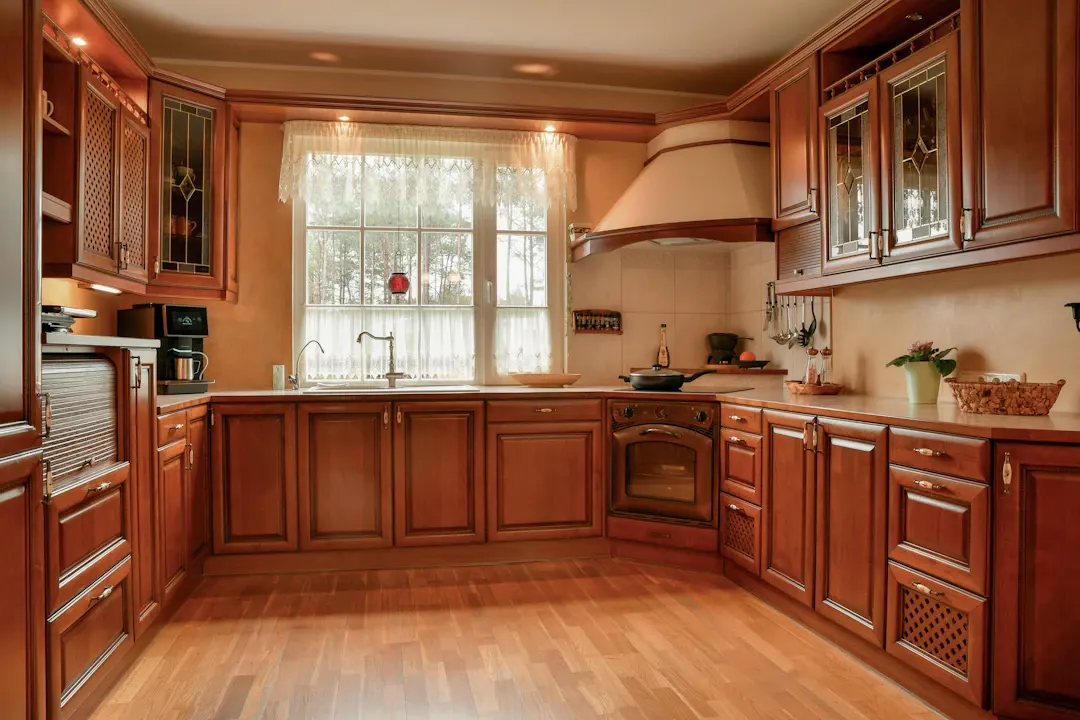
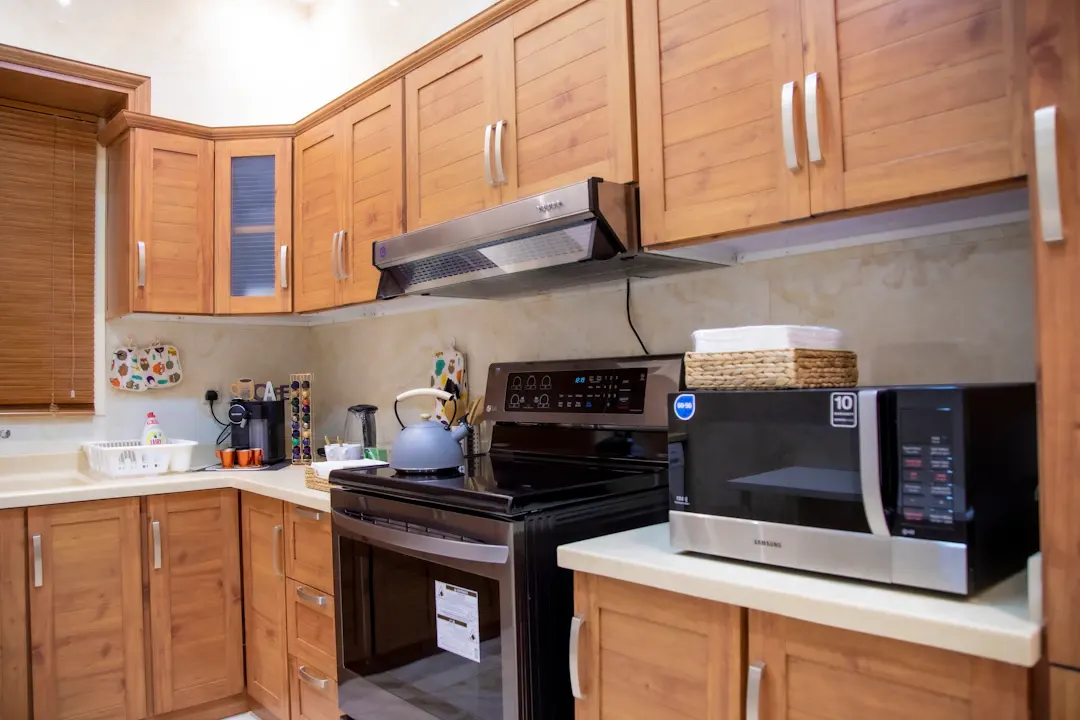
Older homes have something new construction cannot buy: plaster walls, old-growth pine floors, tall windows with wavy glass, and trim that was milled by hand or close to it. Many homeowners buy these houses for that character, then face a kitchen or bath that has been remodeled two or three times since, usually badly. The challenge is fitting modern cabinetry in historic homes without erasing what made the house worth buying.
This guide is for owners of older houses around Greater Houston, from 1910s to 1940s bungalows and four-squares in the Heights, Montrose, Woodland Heights and the Third Ward to Victorian and early 20th-century homes in Galveston's older neighborhoods, and the solid brick and frame houses found in older town centers across the region. It covers how to plan cabinets that work like new but look like they belong.
If you are planning a larger project, our kitchen remodels page explains how our in-house team handles design, shop fabrication and installation in older homes.
Start With What the House Already Tells You
Before choosing a door style, study the house. The clues are usually still there even after earlier remodels.
- Original trim. Look at door and window casings, baseboards and any remaining crown. Note width, profile and whether they were painted or stained.
- Doors. Interior panel doors show the proportions the original builder liked: number of panels, rail widths, and molding details.
- Built-ins. A surviving china cabinet, linen press or bookcase is the best guide to how cabinetry looked in your house.
- Floors. Old pine or oak floors set the tone for wood choices nearby.
- Hardware. Original hinges, knobs and latches show the finishes and shapes of the era.
Take photos and measurements of these details. A good cabinetmaker can reproduce a casing profile or match a door rail width so the new work looks continuous with the old. For broader advice on renovating without losing that feel, read our guide to keeping the soul of your home during a renovation.
Choose Door Styles With Period Roots
The door style is the single biggest signal of whether new cabinetry belongs in an old house.
Inset doors
Inset construction, where doors and drawers sit flush inside the face frame, is the most traditional choice. It was standard in early 20th-century kitchens and pantries. It costs more because every door has to be fitted precisely with consistent gaps, but in a historic house it often looks most correct.
Simple Shaker and flat-panel doors
Plain five-piece doors with a flat panel suit Craftsman, bungalow and many Victorian-era service spaces, which were simpler than the front rooms. Beaded inner edges or a beaded face frame add period detail without fuss.
Glass-front uppers
Glass doors with true divided lites, or with a single pane and a simple muntin pattern, recall the glass-front cupboards common in older pantries. They also open up a small kitchen visually.
| House era | Door style that suits it | Construction | Hardware cues |
|---|---|---|---|
| Victorian (late 1800s-1900s) | Beaded panel, glass uppers | Inset with beaded frame | Cup pulls, porcelain knobs, nickel |
| Craftsman / bungalow (1910s-1930s) | Flat-panel Shaker, glass uppers | Inset or partial overlay | Bin pulls, bronze, aged brass |
| Tudor / revival (1920s-1940s) | Simple panel, arched details sparingly | Inset | Iron or bronze latches |
| Early ranch / post-war (1940s-1950s) | Slab or simple panel | Overlay | Chrome or polished nickel pulls |
Hide the Modern Function Inside
The trick to modern cabinetry in historic homes is keeping the modern parts out of sight. Behind a period-looking door, you can have everything a new kitchen offers.
- Full-extension, soft-close drawers behind inset fronts
- Panel-ready dishwashers and refrigerators that disappear behind wood panels
- Appliance garages with lift or pocket doors for coffee makers and mixers
- Pullout trash and recycling behind a door that matches the rest of the run
- Integrated LED lighting under and inside cabinets, with drivers and wiring hidden
- Outlet strips tucked under upper cabinets so original or reproduction tile backsplashes stay uninterrupted
This approach lets the room look settled and quiet while working like a new kitchen.
Work With Old Walls, Floors and Ceilings
Historic houses are rarely square, level or plumb. That affects how cabinets are built and installed.
Out-of-square rooms
Walls in a 100-year-old house can be out of plumb by half an inch or more over a cabinet height, and floors can slope noticeably, especially in pier-and-beam houses that have settled. Custom cabinets are built with scribe material on ends and tops so they can be fitted tight to wavy walls and ceilings. Builder-grade boxes with no scribe allowance leave gaps that get filled with caulk.
Pier-and-beam foundations
Many older Houston and Galveston homes sit on pier-and-beam foundations rather than slabs. Floors can move seasonally as soil moisture changes. Cabinets should be leveled carefully and anchored to the wall framing, and long countertop runs should account for some movement.
Plaster and lath
Plaster walls need different fasteners and more care than drywall. Locating studs behind plaster is slower, and cutting into it for outlets or vents can crack surrounding areas if done carelessly.
Coastal and humid conditions
In Galveston and other coastal areas, salt air is hard on metal hardware and fasteners. Choose hardware finishes that tolerate humidity, and keep a stable indoor climate. Older houses can be leaky, so solid wood and plywood construction, rather than particleboard, is especially important. Our Galveston service page covers more about working near the coast.
Materials and Finishes That Respect the Era
Older houses were built from real wood, and new cabinetry should be too.
- Painted cabinetry in era-appropriate colors, such as soft whites, creams, sage and gray-greens, suits many early 20th-century kitchens, which were often painted.
- Stained quarter-sawn oak fits Craftsman homes and matches original built-ins.
- Cherry or walnut can work in more formal homes but should relate to existing trim tones.
- Low-sheen finishes look more period-correct than high gloss.
Match trim profiles where cabinets meet the room. If your house has original casing, a new kitchen should carry the same profile on cabinet ends, window trim and any new doorways. Our custom trim installations team can mill or match profiles to existing millwork.
Bathrooms and pantries in older homes
Bathrooms in early 20th-century houses were small and simple, often with a pedestal sink and a recessed medicine cabinet. A furniture-style vanity on legs, a wall-hung console with a shelf below, or a recessed cabinet built between studs keeps that open, light feel while adding storage the original room never had. Butler's pantries and service hallways in larger older homes can be restored with glass-front uppers and drawer bases that echo the original layout. These secondary rooms are often where the most original material survives, so look closely before removing anything.
When Contrast Works Better Than Copying
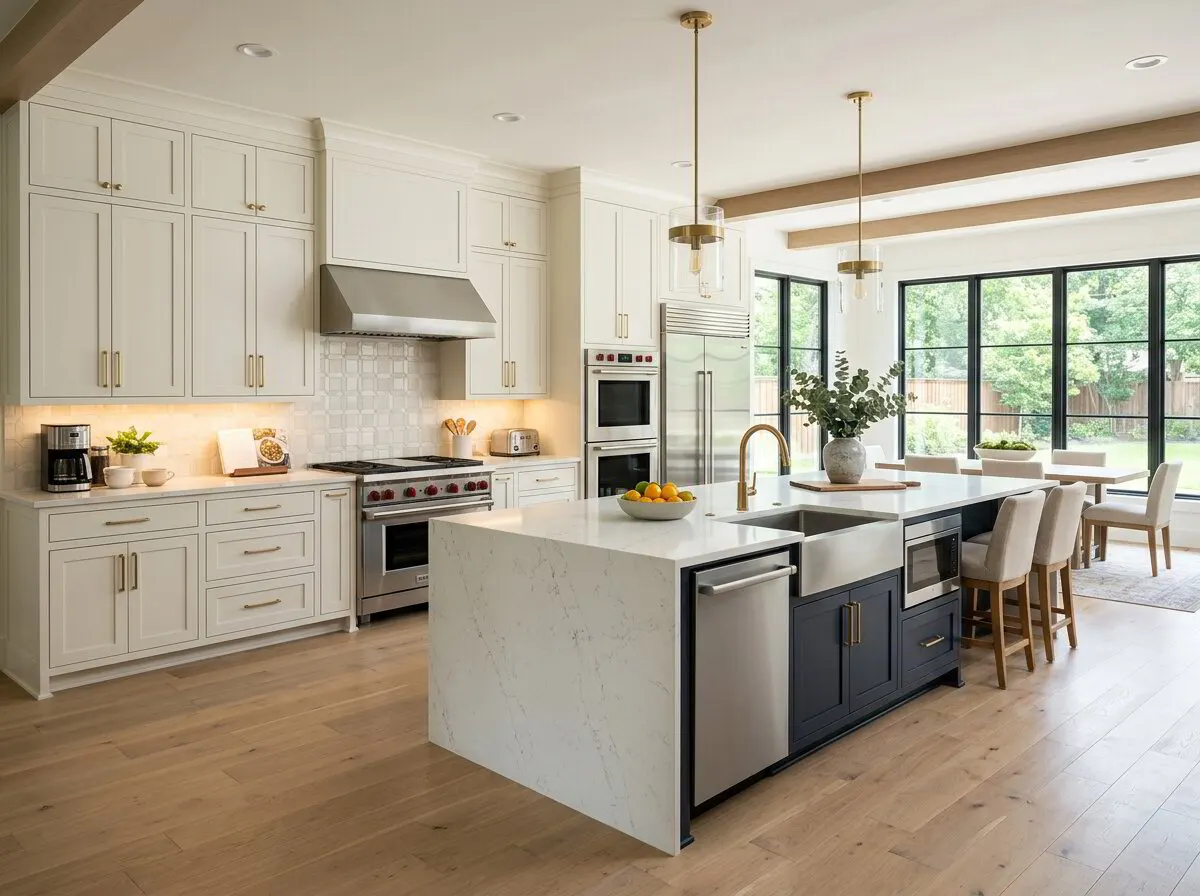
Not every historic kitchen needs to look old. Some of the best results come from a clear, respectful contrast: a simple, well-built modern kitchen that does not pretend to be original, set inside a carefully preserved house.
Contrast works when:
- The new cabinetry is restrained, with clean lines and quality materials, rather than flashy.
- Original elements such as trim, windows, floors and built-ins are kept and restored.
- The scale of the new work respects ceiling heights and window placement.
- Materials are warm and natural, such as wood, stone and plaster-look finishes, rather than high-gloss plastic.
What rarely works is a half-way approach: a generic big-box kitchen with stick-on crown molding meant to look traditional. It reads as neither old nor intentionally modern. For more on choosing a cabinet style that suits the house, see our guide on how to match cabinet style to your home's architecture.
Planning Modern Cabinetry in Historic Homes
A few practical steps make projects in older homes go smoothly.
- Check district rules. Most historic district rules in Houston-area cities focus on exteriors, but confirm with your local preservation office if any exterior windows, doors or walls will change.
- Expect surprises. Opening walls in an old house can reveal old wiring, plumbing or termite damage. Build some contingency into your budget.
- Save salvage. Keep original hardware, trim pieces and cabinet doors that come out. They can be reused or used as patterns.
- Measure in person. Plans and old drawings rarely match an older house. Every cabinet should be built from on-site measurements.
- Plan the sequence. Floor repairs and any foundation leveling should happen before cabinets are measured and built.
Costs for historic-home cabinetry are typically higher than for a comparable new house because of scribe fitting, inset construction and matching trim. Treat any range you see online as a rough planning number and get a written estimate based on your actual house.
Bring Modern Function to Your Older Home With a Free Estimate
The best modern cabinetry in historic homes keeps today's function out of sight and lets the house's character lead. Inset or simple panel doors, matched trim profiles, real wood, careful scribing to old walls, and hidden appliances let a kitchen work like new without looking out of place.
Ace Kustoms builds custom cabinetry and trim in our own Houston shop and installs it with the same in-house crew, from older neighborhoods in Houston to the island. We take on-site measurements and bring samples you can hold up against your original trim. Schedule a free in-home estimate or call (281) 660-3903 to talk through your project.
Frequently asked questions
Can I have a modern kitchen in a historic house?
Do I need approval to change cabinets in a historic district?
Should I keep original built-ins in an older home?
What cabinet wood suits a 1920s Houston bungalow?
Planning a project like this?
Get a free in-home estimate from the team that builds and installs the work.